In my experience, several factors distinguish strong teams from weaker ones. One of the most critical of these is effective leadership.
Strong teams are usually led by ethical leaders. OK, before I go too far. What are “ethics” exactly, some of you may ask? Put plainly, ethics are set principles distinguishing between what is right and what is wrong. A code of conduct if you will. A system of principles you would say. Everyone trackin’?
Moving on.
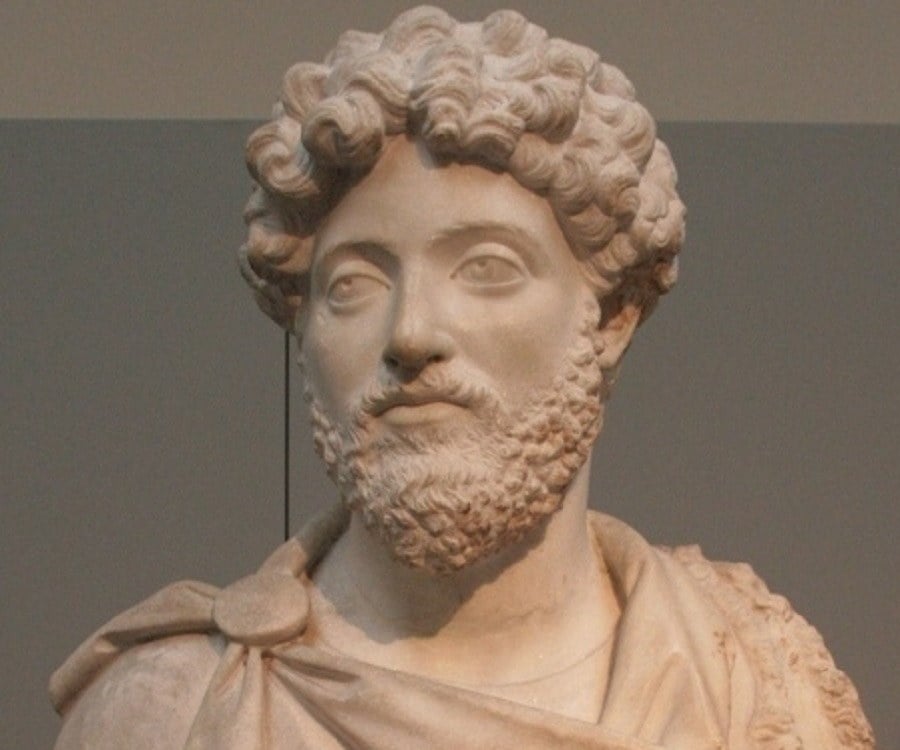
An ethical leader or coach will set a clear vision and manage expectations for his players. Their goal should be to illuminate the path forward, teaching their players how to navigate both success and failure, and demonstrating the behaviors expected in each scenario. They lead by example. And coaches who lead by example should aim to inspire their players to emulate specific attitudes and actions. Their goal is to align the team’s habits and behaviors with their core values. As Epictetus famously said, “Don’t explain your philosophy. Embody it.”
They should be able to articulate their goals clearly, explain why they are attainable, and outline the steps needed to achieve them. Leadership, when driven by strong values, fosters a culture centered around character, identity, and inspiration. This values-driven approach is, in my opinion, the key to guiding a team through both challenges and triumphs while creating a strong and functional foundation that will serve them well both on and off the field.

If you can emphasize the connection between values, habits, and behaviors you have essentially created the perfect transformative environment. By embedding these principles into a team’s processes and structure, they set the very foundations for growth. The more the team buys into these values, the more transformative the experience becomes. This is particularly true when leaders encourage players to think creatively and challenge norms while maintaining an ethical alignment.
Taking this type of approach should carry through all levels of coaching, from the fundamental training to the high level adaptations to the conversations at dinner after practice. All these things—such as zone and lane control, box reads, execution of setups, and communication patterns—are crucial for any team’s development. However, these technical skills should be taught within a framework that emphasizes ethical behavior and transformation. The integration of values with the mechanics of the game can foster not only improved performance but also greater team cohesion.
This leadership model is particularly effective at lower levels of competition, where the focus on respect, integrity, discipline, and hard work can have a lasting impact. Simple actions—showing up on time, being honest, respecting each players capabilities and understanding how to leverage while improving, putting in the necessary effort—are all powerful ways for leaders to set the right example.
That said, no leader or coach is perfect. Mistakes are inevitable, but the key is owning them. In fact, taking accountability for one’s actions is a fundamental aspect of leading by example. By being genuine and authentic, a leader can model accountability and encourage players to do the same. While not everyone is capable of self-reflection or taking responsibility, the ability to do so fosters trust, respect, and a positive team culture.

Ultimately, effective leadership builds a productive environment where the team feels united in a common purpose. However, this process takes time. Leadership development, like any other skill, is a gradual journey. Some individuals process information and adapt more quickly than others, but by consistently focusing on the right behaviors, coaches can create a culture of accountability and growth.
Where am I going with all this? I don’t impose my beliefs on others; I simply try to be an example in hopes others will come around and do the same. As I mentioned earlier, I don’t always succeed—after all, I am human. My guiding principles are rooted in both Stoic philosophy and Christian values. However, I believe the pursuit of virtue is an ongoing journey, one that starts anew each day. Not everyone responds to this type of leadership, and some might even argue that it fosters an environment where mistakes are overly tolerated or excused with mere encouragement. If that’s the interpretation you’re taking from what I’m saying, we’re not quite on the same page—and you may not have observed how I or certain colleagues approach coaching.
Being constructive and positive while addressing mistakes or offering criticism is neither weak nor ineffective. In fact, I would argue it takes more willpower and discipline than letting a player have it. It is far more difficult to consistently apply this approach, especially when dealing with different personalities and situations. More importantly, how can I expect a player to handle my criticism well if I can’t handle my own? My goal is to diffuse negativity and focus on the positive. This doesn’t mean I shy away from pointing out mistakes, but I strive not to dwell on them. Instead, I seek to understand why the mistake was made and what could have been done better.
Sometimes, the issue might be that I didn’t communicate clearly. If that’s the case, why would I reprimand a player for a misunderstanding? It’s counterproductive to create more tension when I’m trying to foster improvement. However, I’m not saying there isn’t a time for tougher criticism. Just as steel is forged in fire and diamonds are created under pressure, some players thrive on a more direct, high-pressure approach. For those players who consistently make the same mistakes, I may eventually need to take a stronger stance. But my belief is that, I need to express my expectations clearly from the start, because the process of improvement begins with understanding and collaboration—not with harsh reprimands.

I prefer to have clear, constructive conversations about mistakes—discussing what happened, why it happened, the consequences of the error, and how we can do better moving forward. I believe this approach leads to more sustainable growth than simply reacting with frustration or insults like, “You idiot.” After all, my ultimate goal is for the player to bounce back and give their best effort the next time, not to make them afraid of making mistakes.
As a player, I was always looking for ways to improve myself and my team—not just by learning from coaches within my own sport, but also from leaders in other fields. I drew inspiration from bosses, managers, military leaders, historical figures, and even literary characters. The Stoics believed that life is about what we value and the choices we make, and this mindset has greatly influenced my approach. To quote Bruce Lee, “Absorb what is useful, discard what is useless, and add what is uniquely your own.”
With that in mind, here are the core principles I strive to apply each day:
- Integrity – “Steadfast adherence to a strict moral or ethical code.” I live by a moral and ethical framework grounded in honor, honesty, courtesy, and respect for others. I aim to be direct and fair and I call it like I see it. I reserve judgment until the situation or individual forces my hand. I always lead with respect—until it is no longer reciprocated.
- Humility – “Freedom from pride and arrogance; a modest estimate of one’s own worth.” While I try to avoid negative pride, I am deeply proud of my players and their achievements. And I make sure they know it. When we recognize that success is shared—that my success is your success and yours is mine—we move forward as a unified team. We be gucci.
- Visualization – “The use of mental images to influence bodily processes, control pain, or prepare for athletic or other kinds of performance.” I believe mental imagery shapes behavior, mindset, and decision-making. Positive visualization increases the likelihood of successful outcomes. Negative visualization can create fear, but as long as we don’t allow fear to dominate the narrative, we can continue to progress. As Seneca noted, “We suffer more often in imagination than in reality.”
- Positivity – This one is self-explanatory—you attract more cooperation and progress with encouragement than with hostility. I will not default to yelling or hostility; instead, I look for something constructive in every situation. While positivity doesn’t fix everything, it often helps move us forward. “It’s not what happens to you, but how you react to it that matters.”
- Habituation – “The process by which actions that are repeated frequently become established as patterns, allowing them to be performed with less effort in the future.” This comes from me trying to embrace the stoic philosophies. Good habits lead to good outcomes. The more difficult the hurdle, the stronger and better you become on the other side. As Aristotle observed, “We are what we repeatedly do. Excellence, then, is not an act, but a habit”
- Amity – “The cooperative and supportive relationship between people. Peaceful.” For me, this means maintaining calm and seeking clarity. Conversations don’t need to become loud or chaotic. While there are moments when firm or rather, emphatic communication is necessary, this should be used sparingly so that it has a greater impact. “Any person capable of angering you becomes your master; he can anger you only when you permit yourself to be disturbed by him.”
- Trust – “The condition and resulting obligation of having confidence placed in one.” Everyone wants to win, and improvement is a shared goal—but progress begins with trust. If trust is lacking in a teammate, coach, or plan, two things must be examined: the source of that distrust, and yourself. As Epictetus advised, “If you want to improve, be content to be thought foolish and stupid.”
- Accountability – “The obligation to report, explain, or justify something; responsible; answerable.” Owning one’s decisions is essential. Mistakes are inevitable and acceptable—unless we refuse to learn from them. I hold myself fully accountable for my words and actions. I control what I contribute, and the outcomes will follow. “First say to yourself what you would be; and then do what you have to do.”

There you have it. What I try to embody when entrusted to lead. No, I don’t always manage to enact all of these principles but there isn’t a time I am coaching that I am not actively striving for them. Leadership is a continual process of growth, reflection, and intentional action. The principles I strive to live by—integrity, humility, visualization, positivity, habituation, amity, trust, and accountability—are not endpoints but daily commitments. They shape how I coach, how I interact with others, and how I respond to both success and adversity. When you can embody the values you hope to instill, teams become more resilient, more connected, and more capable of reaching their potential. Ultimately, if we commit to leading with clarity, character, and consistency, we create an environment where everyone has the opportunity to improve—and where shared purpose becomes the foundation of lasting success.
Be water my friends…





 Zen and the Art of Paintball