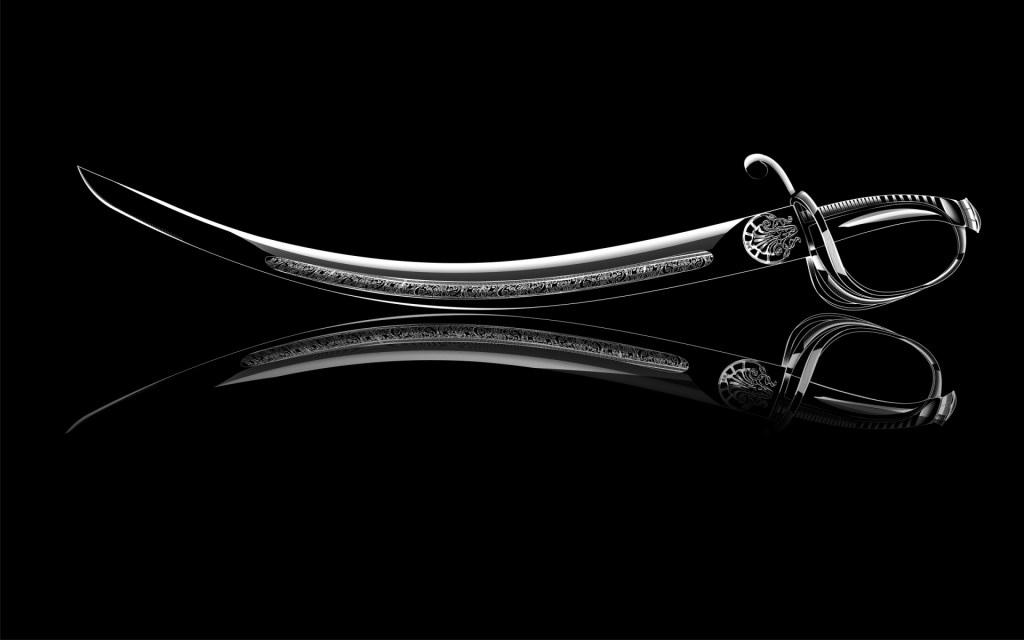
I have always been fascinated by the sword. Whether it was through my first introductions to characters such as Robert E. Howards’ original Conan books, Michael Moorcock’s Elric, Fritz Leiber’s Faffhrd & the Gray Mouser, Sir Walter Scott’s Ivanhoe, several Arthurian legends, Saturday morning cartoons such as Thundarr, or my later rabid fascination with the Eastern martial arts, the sword was the preferred weapon of many a hero in my youth. It’s design over the years, clumsy, brutish, elegant, or efficient and the different methods used to create this tool is a fascinating study in culture. Think the Roman Gladius versus the Indian Tulwar, the Japanese Katana versus the Spanish Espada Ropera, the Scottish Claymore versus the German Flamberge… design, technique, material… bronze, iron, steel…
Yes, I’m a nerd. I can’t help it. Very cool stuff in my opinion. But then… I am easily amused/entertained.
Because it is a weapon, there are different techniques and styles, all dependent on the characteristics of the blade and its intended design.
*ZEN NOTE – I started to go off on the history of an item meant to be sharp, pointy and used to pierce or cut a human and then later a human in armor, so forth and so on… I digress).
The purpose of me writing this blog is funny. As per usual, I was having a discussion with a friend regarding an Instagram video of a Kendo Tournament. This friend happens to be a paintball player as well. And a certain historical figure came up which led to comments such as, “It’s a beautiful and frustrating part of high level combat sports when you realize the essence of fighting is counter-fighting””” and “Who wrote the best on taking the initiative versus let the enemy reveal his tactics and counter”. Which led, you guessed it, to a PB analogy.
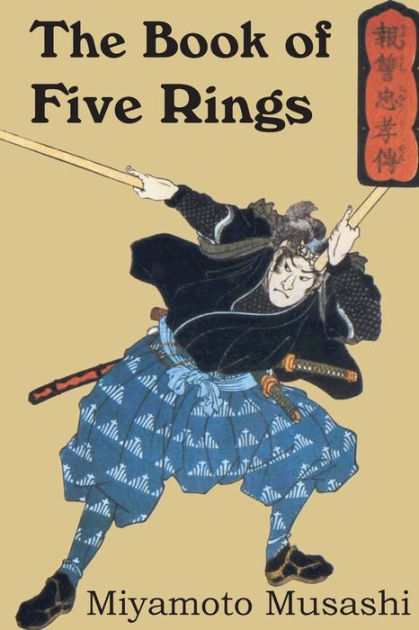
The historical figure was a renowned samurai and, in my opinion, one who hovers layers above any other swordsmen throughout history. His story is one of legend and, no matter how many fantasy sword and sorcery books you read, none of them really compare to the real life exploits of this man’s battles and accomplishments. He wrote an incredible book around 1645 titled the “The Book of the Five Rings” and his name was Miyamoto Musashi. The man had 61 duels, and 61 wins. Understand that, had he lost, he would have been dead.
Back to my my conversations with the friend. He wondered what Musashi would have thought of the stroke delivered by the winning Kendo practitioner. To which I responded that Musashi would have appreciated the mastery of the stroke… and that Bruce Lee more than likely borrowed heavily from Musashi because neither believed in limiting their skill-set. True strategy, I said, was not about excelling with a single tool but about mastering the art of adaptability and continuous learning. Therefore… both initiative and countering should be learned so that one knows when to apply which.
My friend compared reading the 5 Rings as, “Like your best friend is the greatest sword fighter ever and you’re just on the porch talking about it.”
Brilliant.
Anyway, this is what inspired this spontaneous blog session.
The Five Rings is NOT about sword fighting. To put it as succinctly as I can, it is a book on strategy within the martial arts and life itself. There are 5 chapters that essentially correlate to eastern philosophy around the elements (Godai) – Earth, Water, Fire, Wind, and the Void. The author uses these elements to illustrate strategic concepts, and then goes on to explain how those same concepts can be applied to your everyday life. At its core, it is a guide on how you can turn a “pursuit” into a way of life. If we understand certain techniques and become competent at them, then we should be able to apply these lessons and processes to other parts of our worldly experiences. Musashi was adamant that becoming a master of anything required not only physical training but mental tenacity and spiritual development, as well. If you can master yourself, well then, you have now unlocked the key to mastering others.
This man wrote the book on the mental game when you really think about it.
So he wrote about strategy and how to apply it anywhere. I’m sure you have figured out where this is going.
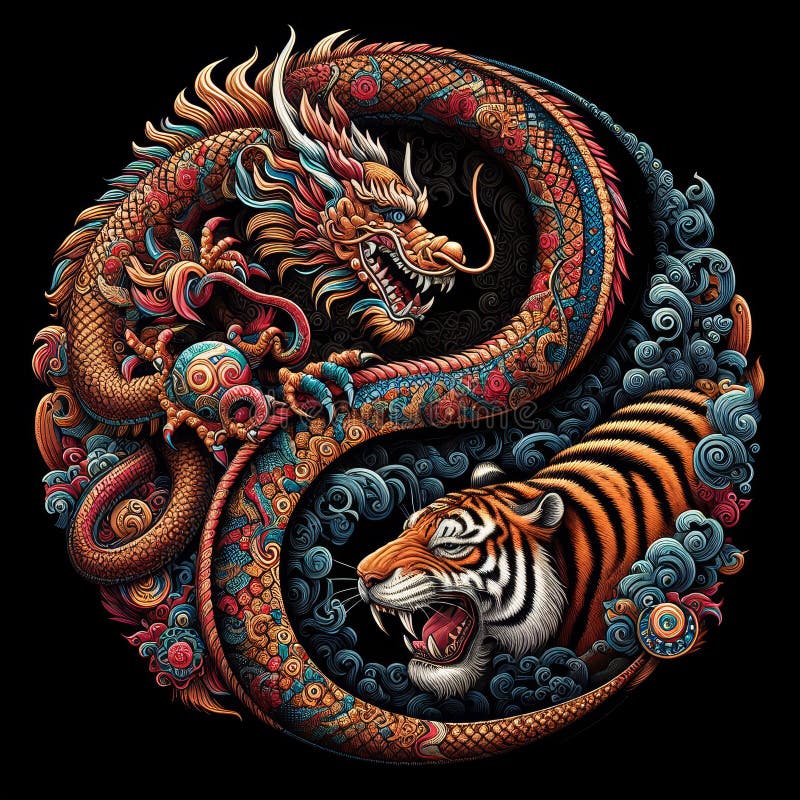
What I love about the book , and what has helped shape my view on many things, including coaching (I guess I should say especially my view on coaching) is he preaches on the dangers of depending on a single weapon or technique. He elevates the importance of being a strategist versus being a tactician. For those of you who do not know the difference, both utilize adaptability but a tactician focuses more on specific actions and short term goals, while the strategist looks to develop long term plans in an effort to overreach the goals and ultimately provide direction to and past the goals. Both are critical to any planning but one looks past the immediate need and into the future. It’s the classic tiger/dragon philosophy.
He didn’t believe in tunnel vision. For example, he didn’t think you should study one weapon. By doing so, you reduced your capabilities and would most certainly not be prepared for all combat scenarios. According to the book, when a warrior becomes reliant on a single weapon, they may then avoid situations where that weapon is less effective. This translates to being unable to adapt and limited in their strategic and tactical effectiveness. By relying on one weapon or technique, you have created an illusion… a false sense of capability. You have limited yourself. Similar to Bruce’s teachings, once you say this is my style, then you are limited to said style. True mastery, according to Musashi was holistic, involved multiple weapons and techniques, which lent to being prepared for ANY scenario. It meant adaptation and preparedness.
If you recognize your limitations, you can then work to improve them. This is the key. Honesty with one self must happen first as it is literally the first step in self mastery.
And the same goes for paintball players and coaches. You can’t be single minded. You can’t let ego get in the way. I don’t care how good you think you are, you can always improve, you can always grow. The moment you believe where you are is adequate, the moment you will begin to fall, regress, and be surpassed.
So, we should embrace a mindset of adaptability and one of continuous improvement. We should work our physical and mental muscles. We should be open to new thoughts and ideas, be able to shift course to find new capabilities and techniques, we should want to constantly learn.
But most importantly, we should learn all techniques… both offensively and defensively. Attack and counter attack. If we have one technique, we become predictable. Predictability leads to limitations. Limitations lead to eventual and unplanned defeats.
Ask yourself, if you truly wish to be a good paintball player. Perhaps you have aspirations to be in the professional league someday as a player or a coach. If so, then you better be ready to pursue and push your capabilities to their maximum limit. And once you realize there is no maximum, you will become limitless, formless, shapeless… like water.
I’m still learning.
Be water my friends.
 Zen and the Art of Paintball