What’s Your Shelf Life?

How many of you are familiar with the concept of “perishable skill”?  What it means is that if you don’t practice something often enough, your capability with said skill will diminish. So, as usual, understanding this fact and applying it to paintball is incredibly simplistic. Why?
Easy.


ALL paintball skill sets are perishable. 

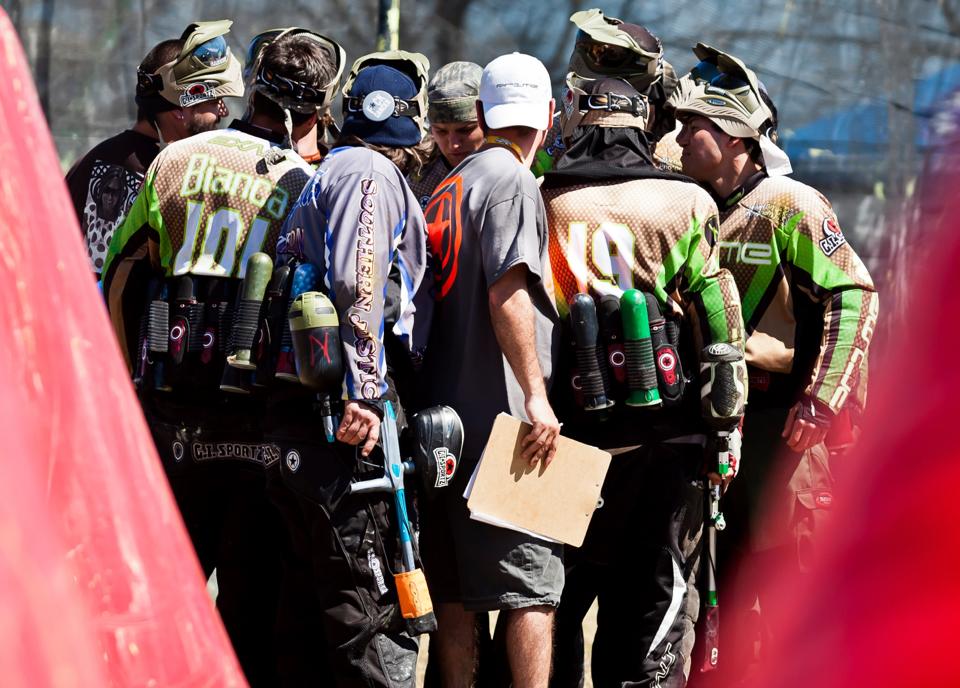
One that has become increasingly noticeable to me, however, are the qualities required to be a good coach or team captain.  Let’s just sum it up and say, “Leader”.  That will be our focus this month.

Unfortunately, many people today do not recognize that leadership is not a singular quality or skill.  Rather, it is a number of qualities and skills combined.  And just like any other skill, all aspects must be put into practice often or, as you have probably surmised the point, a leader’s capability will weaken or at the very least create inconsistencies and diminishing returns (i.e. lead to other lackluster performances).

Keep this one sentence in mind when developing both physical and mental skills in paintball (or anything for that matter)- “Use it or lose it.”

You may ask or have others say (including me), “It’s just like riding a bike,” Some of it is, especially in the physical realm. But that isn’t what we are addressing here. As established in our opening, true valuable and consistent leadership is a multitude of skills.  These skills require emphasis on communication and psychology ON TOP OF knowing the game (STRATEGIC and TACTICAL thinking).  All of this must be practiced and studied regularly to ensure maximum competency. 

What are some basic concepts leaders can leverage when attempting to manage their teams?  Here are a couple of rules I try to incorporate each and every practice (including communications to team members via electronic means):


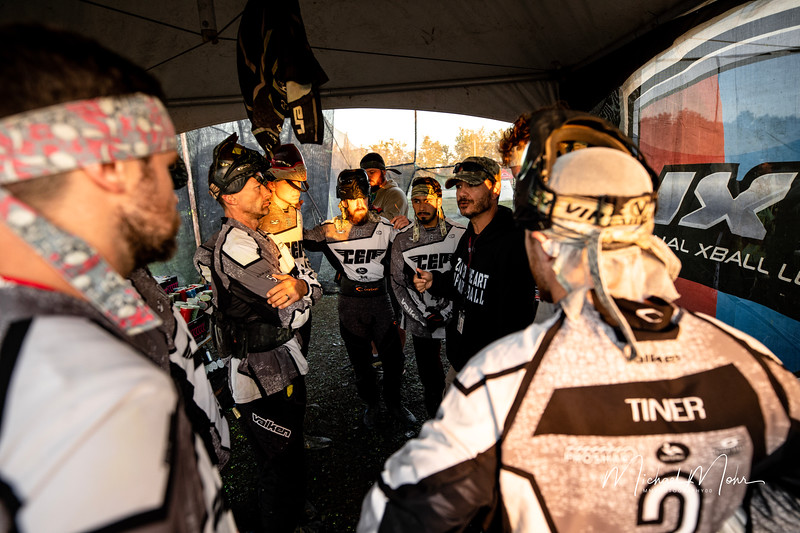
1. Learn your players.  Every member of the team is different.  An individual with certain life experiences will respond differently than another individual with different life experiences.  I try to learn what makes each and every member of a team tick, what motivates them, what drives them, what pisses them off, how they deal with challenges and opportunities, how they learn, and on and on.  I talk to individual players differently on purpose in an effort to reach them and ensure the message is being understood, to get the best out of them. Recognize the limitations of this approach too.  It’s easy to screw up.  The basic rule of thumb though is to treat everyone with respect (until when? Check back to last months blog to see the answer to that).  Each and every player brings a value to the team. Yes, everyone…  Be advised, the value you see as a leader may not match the value the player sees themself as though.  Be ready to navigate these types of disagreements with facts and examples to back up your belief.  Do not get emotional.

2.  Everyone needs to be accountable.  This should be established from day one.  And no one is immune, including the leader.  You did something wrong?  Own it.  You were late?  Own it.  You didn’t perform or play well?  Own it.  You didn’t follow direction?  Own it.  You made a bad read or call?  Own it.  Do not ignore anyone who exhibits behavior that is counter to this.  Recognize early and call it out immediately.  It doesn’t have to be aggressive.  See #1 above.


3. Develop a culture that promotes positivity, maturity, growth (and identifies recession), recognizes success and failure, right and wrong, and BUILDS upon it.  I’ve talked about culture a lot over the years.  If you don’t get or understand how the concept of a positive yet stern goal oriented culture can breed and ultimately attract talent, you believe wrestling is real and the moon landing was fake. In other words, I can’t help you.  If your culture is finger pointing, loud mouth, no accountability, with a lack of respect because it’s cool…you and your posse suck. 


4. If there is a cancer or toxic element in your crew, cull it immediately.  Explain why this behavior or that behavior is not acceptable in the organization and let them go. If you feel the need to provide a “second chance”, by all means, do so. But FOLLOW THROUGH if nothing changes. You are the merciless god that rules the small universe in which your paintball time is spent.  Find personnel that is down for the cause and rows in the same direction.  Find someone who gets it.  Next! Be sure to set realistic and obtainable goals for individuals and as a team.  The only focus is on the first goal.  No one considers the second until the first is met both individually and team wise.

All of this should seem pretty straight forward.  It’s obviously easier said than done.  Remember, leadership is cumbersome and burdensome. And it isn’t all fun and games. It isn’t about POWER… it is about TRUST.  The most difficult thing to do as a coach, a captain, a leader, is to look a good friend who plays for or with you in the eye and tell him/her they aren’t hacking it and need to take a seat.  You have to be able to remove emotion from the decision process.  In return, they have to recognize it isn’t personal and isn’t the end. 

Putting all of this into practice is a pooch.  Believe me, it doesn’t happen over night and hopefully those of you reading this are rational and intelligent enough to know that.  But with practice, it becomes a little more natural each time… but not necessarily easier.  As a leader, we should constantly look at past decisions to understand what we could have done better and why – which will make us recognize similar scenarios faster in the future and determine a better solution next time we are faced with that exact issue again.  Because you WILL face it again, I promise.  And usually, there is a clock involved… cognitive recognition and resolution will get faster and those you lead will/should recognize and appreciate it.

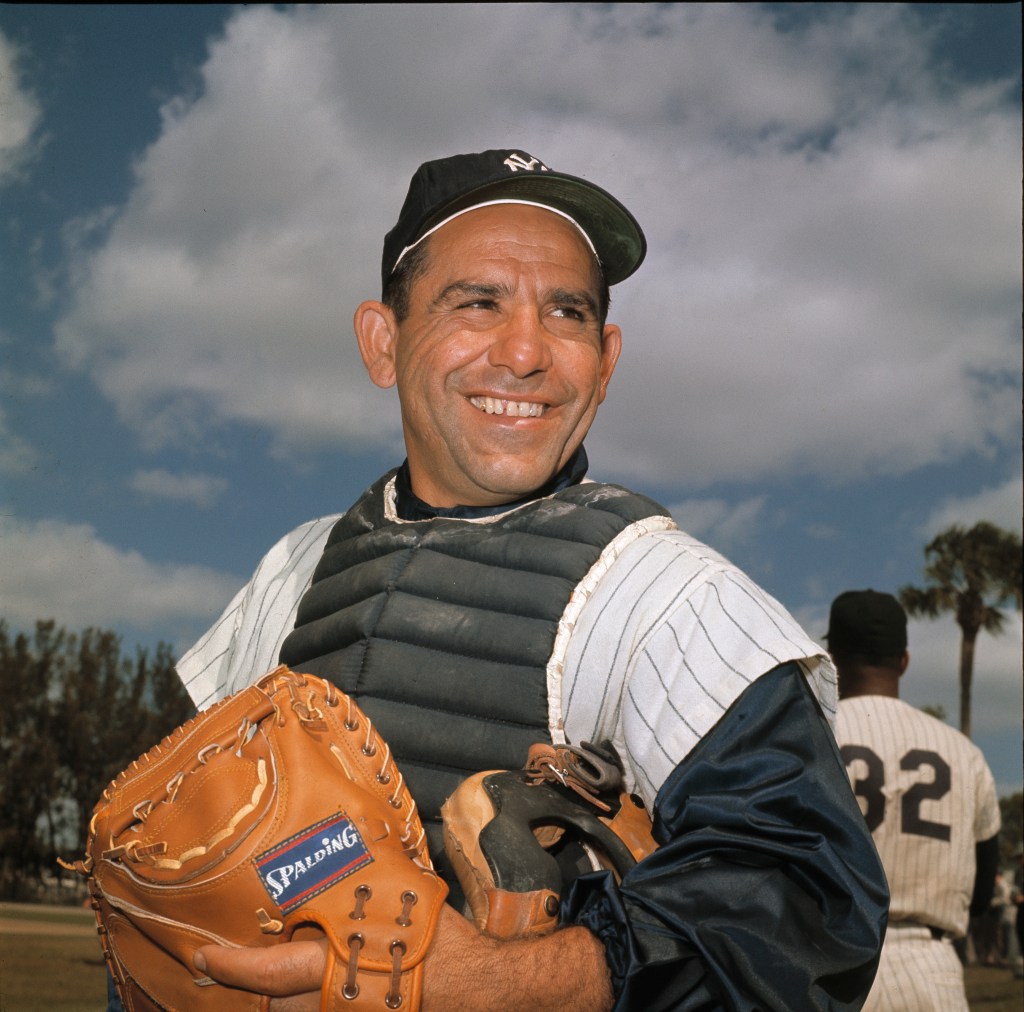
Take Yogi Berra for instance.  He has a great quote attributed to him (he didn’t actually say it) that applies to this perfectly, “In theory there is no difference between theory and practice. In practice there is.” – Yogi Berra

Look, it’s pretty easy to understand. We all respond differently to pressure and different stimuli. The purpose of incorporating what I am talking about as often as possible is to teach yourself how to appropriately address any and all leadership quandaries. Remember, it’s okay to be uncomfortable. Just don’t show it.

Be water my friends,

Zen

Class Is In

This month, I’m going to touch on a subject many of you will not agree with me on… and that’s okay. I often think it is because I’m older than most and come from a different time. I get that. But some of you need to hear it. Mike Hinman touched on this in his recent summary of the NXL semi pro division. Operative words being “touched on” as I certainly don’t want to speak for Mike. Although I have a sneaky suspicion he would get where I am coming from.

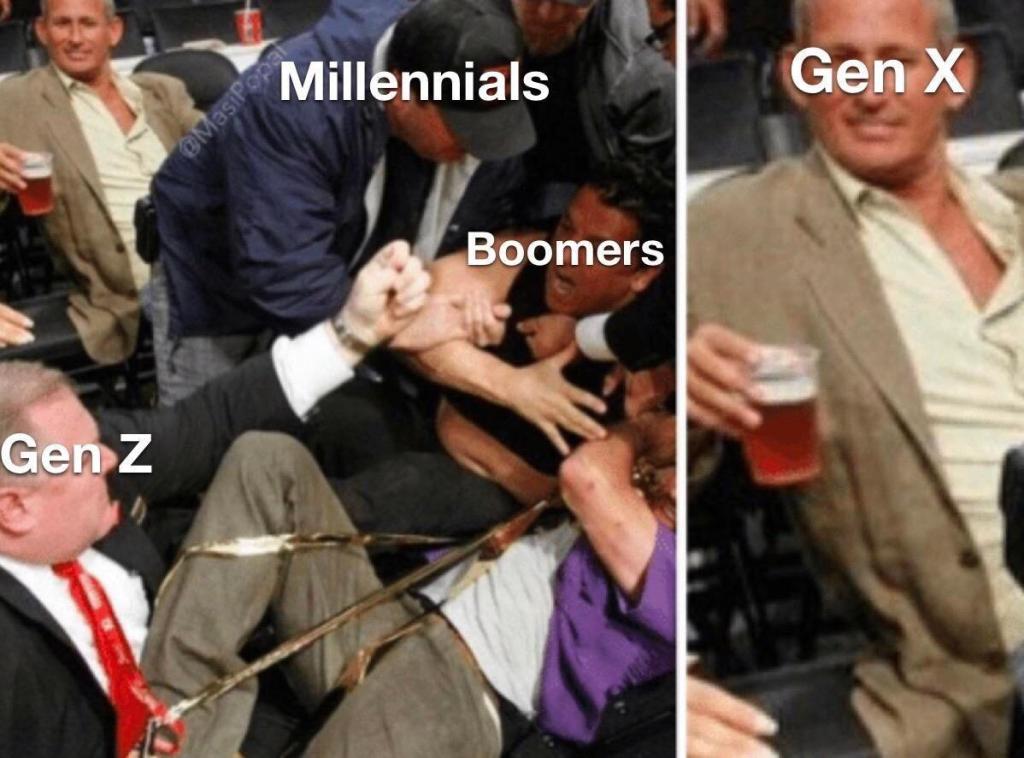
I can hear my friend Grayson Goff saying, “Okay Boomer” … Gen X btw 😉

Truth – it’s out there.

Let’s talk sportsmanship or what I like to call, having some class and WHY it’s important.
Sportsmanship or showing class is simply when competitors treat one another with respect and behave in an appropriate manner before, during, and after their competition. It could also be defined as being fair and ethical (that last word I fear has lost it’s meaning these days – go ask any journalist) to those you’re playing against (and with).

***Zen note*** this can and should apply to fans, supporters, parents, and coaches as well.

Let’s get something out of the way right now. Sportsmanship doesn’t mean taking it easy on the other team. Look, we play an aggressive sport. Hell, we “shoot” our opponents to eliminate them. It’s part of the game. There is a line though, as there is no need for disrespect or malicious intent. Me, personally, am from the camp of “Be nice… until it’s time not to be nice” or “Don’t start nothin’ and there won’t be nothin'”.

“Self-praise is for losers. Be a winner. Stand for something. Always have class, and be humble.” – John Madden

Have you ever noticed why so many people use sports as a metaphor for so many different things, especially life in general? Because the traits required to be successful in sports translate almost directly to being successful in anything we do. Think about it. Skill sets are honed with hard work, discipline, determination, sacrifice… all things you need to be successful in the “real world”. Whether you’re a ditch digger or a corporate executive, if you bring these traits to your job, you will not only perform well, you will be noticed and advance.

“A lot of young players don’t really know much about the history of the game and a lot of them are missing out on what the game is all about, especially the whole concept of sportsmanship and teamwork.” – Kareem Abdul-Jabbar

I’m sure you have all hear that, “Good things happen to good people”. I truly believe that and not just because of my Christian beliefs, upbringing, and environment. I’ve seen it. No, we won’t go down the rabbit hole of what signifies “good people”. How about starting with being a good sport, being kind and respectful to one another, having fun… that sort of thing? There is already plenty of ugly in the world.

On the way to shake hands and showing appreciation to family, friends, and fans.

Here’s where I use a word that some misunderstand all too often. Integrity. A classy player has integrity and shows respect. He is honest and treats those around him the way he wishes to be treated. He is about the team, unselfish, humble in victory, and understanding/honorable in defeat. This is what it means to be a man really.
All of this contributes to being a good human being. We used to have a saying, “Excellence through integrity”. It wasn’t easy being the “good guy” in paintball. It still isn’t. Trust me, I’ve almost cleared the benches a time or two but I always knew it wouldn’t solve anything. We had to be the bigger men… especially walking the walk and talking the talk we had chosen.

I’ve seen a man cry because he lost a paintball match. I’ve seen young men win only to disrespect their humbled opponent viciously. In both instances, the player(s) instead of appreciating the moment for what it was, they poisoned and cheapened it. See, being classy enhances the experience for both groups of competitors. The team that is defeated is shown respect by the victor. Both can learn from the experience and both can be examples for others. Those of you who weep and moan and those of you who gloat… you’re both weak and have learned only how to be weak. You’re sadists. You have enhanced nothing but an ego. The ego of a jack ass. And make no mistake, that’s how you are seen by the majority around you (or maybe you’re not, maybe I’m the minority – and I’m fine with that.)

Here are my simple rules for being classy. Be positive, be a good teammate, show respect, and play with integrity. The end.

“Sometimes I think sportsmanship is a little bit forgotten in place of the individual attention.” – Cal Ripken, Jr.

To the trash talkers out there – especially the ones who continue to do so after you and your team just got trounced – you’re a joke. But I get it. You’re probably the more talented player on your team and feel you need everyone to see it. Maybe if you spent all that energy helping make and mold your teammates into better players, your team wouldn’t be getting dismantled. Every team I have ever coached or played with, we let our game speak for us. You want your game to speak for you? Shut your mouth and get to work practicing. Or maybe you don’t contribute at all, you actually suck, are a practice all-star, and so you verbalize and vocalize to make up for the fact you are an inadequate dweeb. Doesn’t matter to me. You still suck no matter how loud you get.


You can yip and yaw all you want. Look at the score board knucklehead. That’s ALL that needs to be said.

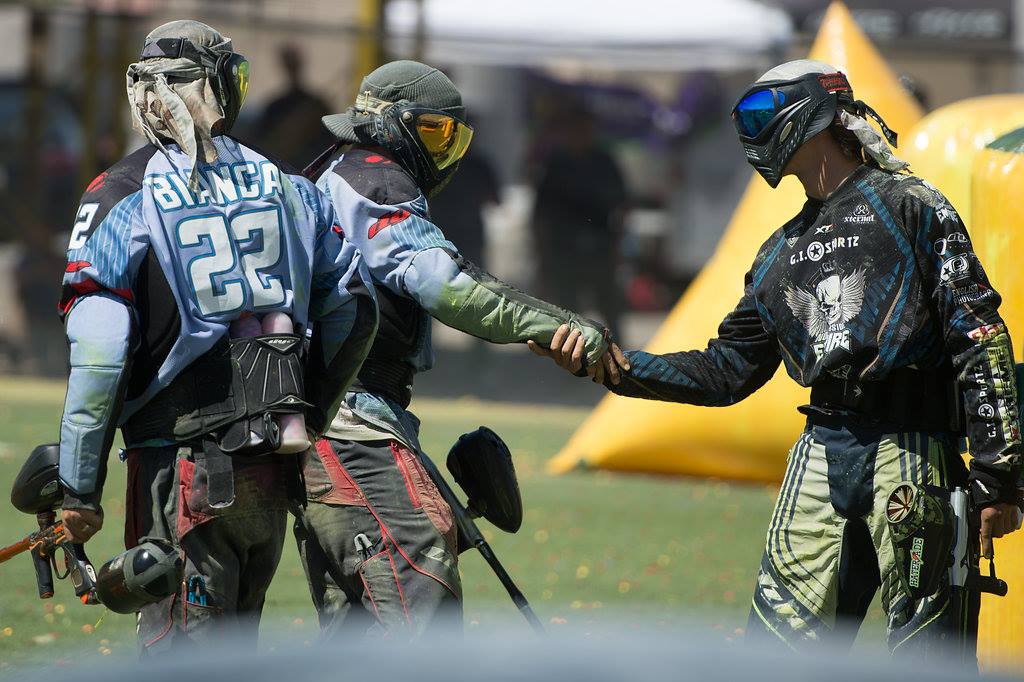
Shaking hands after a good match

Look, as with any sport, there is going to be a winner and a loser. Sometimes your team will be in the latter category. Be a man when it happens, shake your opponent’s hand after the game, give them a “good game” or “well done” and friggin’ move on. LEARN! If you are the winner, show some respect, and do the same.

“I follow three rules: Do the right thing, do the best you can, and always show people you care.” – Lou Holtz

An important measure of how to win or lose with class is to simply put things into perspective. It’s a game. Yes, we are all passionate about it but at the end of the day, you’re still breathing, you’re still alive, and will have the opportunity to improve and do it all over again. So relax.

We need to respect the refs too. Even when they make a bad call. I know, I know. Hear me out. Understand that, bad calls will happen and guess what? Sometimes those bad calls will go in your favor! Now, some self-critique here as I had an issue at the recent NXL with a head ref. Don’t get me wrong, I was respectful when he wasn’t. However, to his character, he recognized he was out of line, calmed down, apologized, and we had a good conversation afterwards. It was difficult for me to respect him at first, I will admit. He was aggressive and didn’t really supply good rationale for his call(s) or seem to have a complete understanding of the rule-book. I recognized almost immediately the calls weren’t going to be overturned, but I saw it as an opportunity to provide critique to HELP him for the next time. It was the end of the day, this guy was hot from high temps, tired, thirsty, hungry, and had been shot A LOT. Always recognize that and take it into perspective. Those guys aren’t paid enough and in a lot of cases not really trained enough.

“Show me a guy who’s afraid to look bad, and I’ll show you a guy you can beat every time.”- Lou Brock

Now might be a good time to have a bit of an ethics lesson (you all caught me in a mood). Real quick, let’s sum up ethics in paintball. So, there is sportsmanship and then there is gamesmanship. I have talked with many of you and there is a portion who most certainly fall in the category of employing gamesmanship as opposed to sportsmanship. Hey, we have all been guilty of it. There is a difference. Allow me to elaborate: You’re the guy/gal who believes that winning is everything. “You ain’t tryin’ if you ain’t cheatin!” “It’s only cheatin’ if you get caught!” “It’s the refs job to catch me!”. Get the idea? These are the same people who smack talk too when they are losing.

Consoling the opponent after a hard loss (this is not necessary, but I knew the guy)

In other words, you are more concerned about the outcome of the game rather than the manner in which it was won or lost. I believe the argument FOR gamesmanship is called “bracketed morality”. This is the concept that sports are NOT aligned with the real world and that morality or ethics should not apply. These are the people who would say that sports serve as a way to get out aggression, that it serves our primal instincts to win or conquer. Whereas I am not totally opposed to an aspect of this (getting out aggression) it is the level of commitment to this concept that needs to be checked. “He’s a beast on the field but a real gentleman off of it”. Okay… I’ll give you that. However, one who plays honorably and gives his opponent an honorable yet tough (and fair) game is the real “beast” in my book.

“Show class, have pride, and display character. If you do, winning takes care of itself.” – Bear Bryant

And that’s my point. A classy player or coach is focusing on things like honor and virtue and integrity. He trusts his teammates; he respects his opponent. This type of player or team is one that is not only interested in winning but doing so by giving their best effort and more than likely, will have more longevity. And probably more success as well.

If I had to define ethics in paintball, it would boil down to 3 things:

  • Integrity
  • Responsibility
  • Respect

Integrity in paintball would require players/coaches to take responsibility for their actions in all aspects on and off the field. When a team loses, the right thing to do is not point or blame but to recognize the aspects of the game that you can control and work on. What about your performance that day could you have done better?

Responsibility should mean that you have trained appropriately and are at the skill level (Ex: playing in the appropriate division) you need to be to compete and that you know the rules of the game. It should also encompass how you present yourself and represent your team (your behavior).

Respect is just that, respecting your teammates, your opponents, your coach, and the refs.


I’ll say it again, sports are meant to not only test our capabilities but ultimately to build character. The first one is important as it can teach us a lot about ourselves. The second is more important as it will mold us and hopefully, God willing, make us better people.


Be water my friends.

Boards Don’t Hit Back

Besides paintball, as some of you are probably aware, I like to train with real firearms (uh-oh… hope no one was “triggered” by my use of the term firearms).  Muscle memory is paramount in shooting.  Whether we are practicing the draw from concealment, indexing on our target (sorry – natural point of aim for you in the back), follow through on the trigger, consistent sight picture, our reloads, using a single point or dual point sling, or any other countless mechanical aspects of shooting, it all boils down to muscle memory and constant practice.  In order to excel in live fire shooting, whether in a sport environment or, God help us if we ever find ourselves in a defensive shooting scenario, these things must become second nature; our dominant action and tendency.

Snapshot 16 (12-1-2019 11-58 AM) (2)

So then why the topic of live fire shooting?  Well, the idea for this month’s blog came to me recently when I was shooting with 4 different friends in a span of a week.  I spent a day at the range with 2 friends I have been shooting with for some time now working both rifles and pistols, then another friend 3 days later working rifles, and finally a fourth friend a couple days after that working pistols.  Usually when I am with my friends shooting, our conversations run the gamut.  The topic came up with the latter two shooters about creating good habits, how to go about doing so, and how that foundation would not only improve performance but possibly save a life.

Snapshot 10 (12-1-2019 11-54 AM) (2)

And then it got me thinking…  I’m all about biomechanics in paintball as well as creating efficiencies.  How can we apply this or have we already been doing this to an extent?

There was an older psychology article I read a few months back where it talked about how it takes around 3 weeks to develop a bad habit and approximately 2-3 months to break it.  I would argue that it would certainly depend on the habit… but let’s not get bogged down on that specific aspect.  Instead, it’s the habit of the habits that I want to discuss this month.

Snapshot 9 (5-24-2019 7-33 PM) (2)
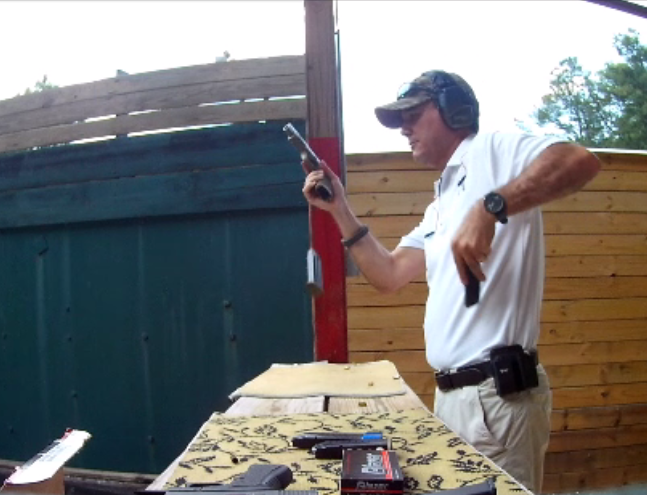
Body mechanics and muscle memory in a pistol reload

If we have a bad habit in paintball, it had to have come from somewhere.  Whether it was self-taught or not, doesn’t matter.  It has been my experience that in paintball, more often than not, a bad habit began at the “foundation level”.  In other words, when a player first began, they developed a bad habit/motor skill.  The repetition of that bad habit sunk in and over time, makes eliminating them and ultimately replacing it, even more difficult.

Obviously, the key to forming good habits is to learn them in the first place.  Yeah, duh, you’re welcome.  I don’t think anyone would argue that lower divisional players who practice proven technique from the get go will no doubt out perform those who did not (I’m sure there are exceptions).

I’ve always looked at it through my interpretations of Bruce Lee’s Tao of Jeet Kune Do.  What is the objective and how can we achieve it in its most basic and simple form?  The technique needs to come with validation of course as well as an explanation of why it is a benefit.  Then, through repetition (with attention to detail!) we eventually learn to commit the action subconsciously.  It becomes automatic.

maxresdefault
When Bruce faces O’Hara in Enter the Dragon – GREAT SCENE!

“And when there is an opportunity, I do not hit, ‘it’ hits all by itself.”

‘It’ is when you act with unconscious awareness, you just act. When you throw a punch at me, I intercept it and hit you back, but without thought.  ‘It’ just happens. – Bruce Lee

Now, I try to use this concept/philosophy when I coach.  The full quote is “When the opponent expands, I contract.  When he contracts, I expand…” then the rest of the quote.  Especially on layout weekends… that’s another topic entirely.  But you get the idea I’m sure.

i-Tf6XwgG-L
“We’re going to expand on this one because their lanes suck”

I’m getting a little ahead of myself here and may be merging topics.  My bad.  But bear with me as we are about to go off down a rabbit hole…

So – how do we unlearn what we have learned?  How do we quickly replace a bad habit in our snap shot, our laning, our run and gun and do it quickly?  Unseating a bad habit and replacing it with a good one can be challenging but it doesn’t have to be this long drawn out process.  With a little effort and basic understanding, it can be done a lot faster than most think.

Habits are formed in a lot of ways, the most common being the repetition of an act over and over again.  You did it this way and continued to do it that way because no one told or taught you different.  However, if you learn why you should do it different… in other words you know the purpose and the benefit  of the way you should be doing something… that should speed up the process of learning better execution (and ultimately the goal of “It”.

The first step to improved habit formation is to first identify what needs to change and then prioritizing that change.  If we understand how they became a habit in the first place, as well as understanding why they need to change then we can develop the best way to enact the change.  I suggest keeping it simple.  Work on each issue one at a time breaking the technique down into its basic form and working that form (isolation drills – where we work one aspect of a technique).  Spend a day on the snap and the next on laning.  Do this until you get the desired results.  Knowing what works, how it works, and why it works will always make learning something much easier and will always lead to better results in the long run.

IMG_20180427_102445
Lots of GOOD habits required to hit a target at 1000 plus yards

Now, I am a huge proponent of video.  I use video to drive points home when coaching.  It’s right there on the screen, we are all watching it, I saw what you did, can’t deny it, there’s my proof.  This can also be used as an additional tool and will most certainly increase speed of learning.  Video your snap, you’re run and gun, etc. from different angles several times and look for the good and bad.  You can then compare it to a high level player who does these things well.  See, visualization of a desired performance almost always aids your brain.  It trains the brain on what to look for and reinforces the desired proficiency.

(Now for that rabbit hole I mentioned earlier)

Which leads me to my next point; the physical will come but only when the mental aspect of each physical step is understood.  Break each motion/action down not just physically but why we do it.  In paintball as in many sports, we are looking for “economy of motion”.  This will lead to efficiency which lends itself to speed.  Speed can be life in paintball.

Speed is important in physical action sports like paintball.  Good comparisons would be fencing or tennis or even baseball.  Sports like football or basketball are played in seconds whereas the other sports I mentioned are played in milliseconds. One could argue paintball has both aspects actually.  But to the point; returning a tennis serve happens in roughly half a second.  Think about that from the time the person serving the ball to the time the person receiving has to recognize the serve and respond on a physical level… a baseball pitch or a fencer’s lunge… these all happen in fractions of a second.  These athletes have to rely exclusively on their hardwiring to react quickly enough.  Muscle memory plain and simple.

i-8ZBtv54-L
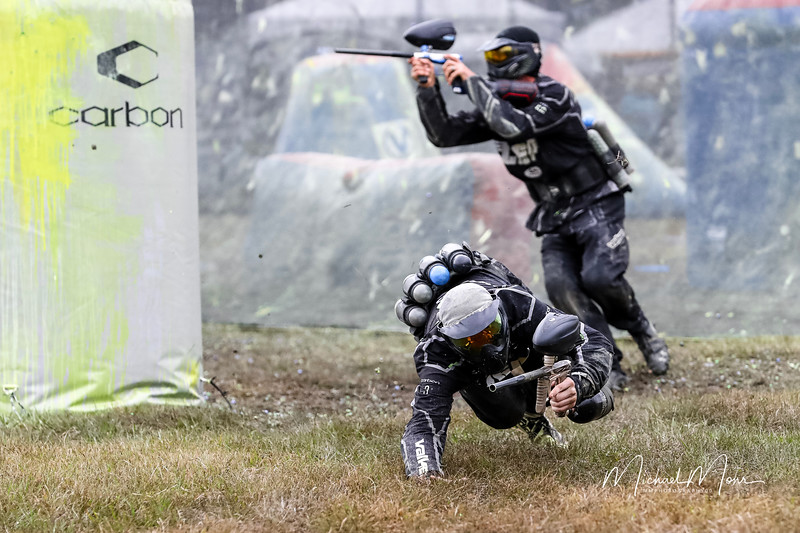
Muscle Memory in a dive, run n gun – Thank you Michael Mohr

I was reading about Benjamin Libet, a physiology professor out in Cali, he said that, “the professional tennis serve is a special test at the boundary of pre-conscious human skill. It is designed for periods longer than the fastest visual reaction but shorter than the minimum conscious reaction time. The serve forces the returner to act within a set period, before the ball goes by, but it favors those who can wait the longest during this period. And it does all of this so fast that conscious thought is impossible.  It is a paradoxical act in that on one hand it is a largely unconscious act, it has to be — on the other hand, it involves a range of sophisticated and creative responses.”

Mind boggling

The guy did experiments where he discovered something REALLY cool: a consistent half-second delay between a person’s unconscious reaction to stimulus and their conscious awareness of the stimulus. He found that we don’t become aware of a reaction – even our own reactions – for half a second.

This unconsciousness of our reaction seems to fit perfectly with the idea of “‘It’ hits all by itself.”

The goal would be “Pre-attentive processing”.  I just started reading about this in detail.  We’re basically talking about reflex but to a whole new level.  The brain will skip consciousness altogether and rely strictly on reflexes or automatic behavior.   This is a type of decision-making and movement initiation that occurs without any consultation with your conscious brain.  Crazy cool!

i-z6LrpK2-L
Reload!  Muscle memory

Think about it – does the baseball player wait for the ball to get to him or a boxer wait to be hit?  No, they anticipate.  A boxer, well, a good one anyway,  will consciously scan his opponent’s footwork and head movements, and look for the set up – his opponent dropped his right shoulder and set his hip… This type of information will allow the good boxer’s “it” to kick in to a well-rehearsed response (muscle memory motor skill – the counter!).

So the question really becomes, is it possible to create good habits out of bad and take them to a level of development of pre-conscious capability.  And if so, how can we apply it to our sport.  I think it IS possible.  We’ve already seen in it several athletes and right here in our own sport of paintball.  If we can put in the time dedicate ourselves to purposeful training and not just on layout weekends, you bet it can happen.

I’m kind of all over the map on this one.  Feel free to reach out to me if you have any questions and maybe I can clarify what I am getting at.  In the meantime –

Be water my friends.