There is a difference between believing you belong and proving you belong. And then there is an entirely different challenge in proving it over and over again. When the Atlanta Jungle Cats earned their promotion to the professional division, we knew the road ahead wasn’t going to be easy. Nobody who understands this sport could reasonably expect a rookie professional team to walk into the NXL and immediately start collecting trophies. The talent is too deep, the competition too experienced, and the margin for error far too small.
But I also knew something else.
We weren’t coming into this division simply to “participate”. We weren’t here to collect jerseys, take pictures with famous players, or tell our friends we played professional paintball. We came here to compete. And I believed, from the beginning, that this team had the talent to do exactly that. Now, whether we could do it consistently was another question entirely. World Cup would be our final opportunity in 2026 to answer that question. And as it turns out, the answer was a little bit of everything.
We would win our first two preliminary matches, something we hadn’t accomplished all season. We would defeat the top seed in our bracket. We would qualify for Sunday for the first time in our professional history. We would also make some of the same frustrating mistakes that have followed us throughout the year, lose a match I firmly believe we should have won, and ultimately finish our season in 15th place.
For some, that might not sound particularly impressive. For me? Well, I think there’s a little more to the story.
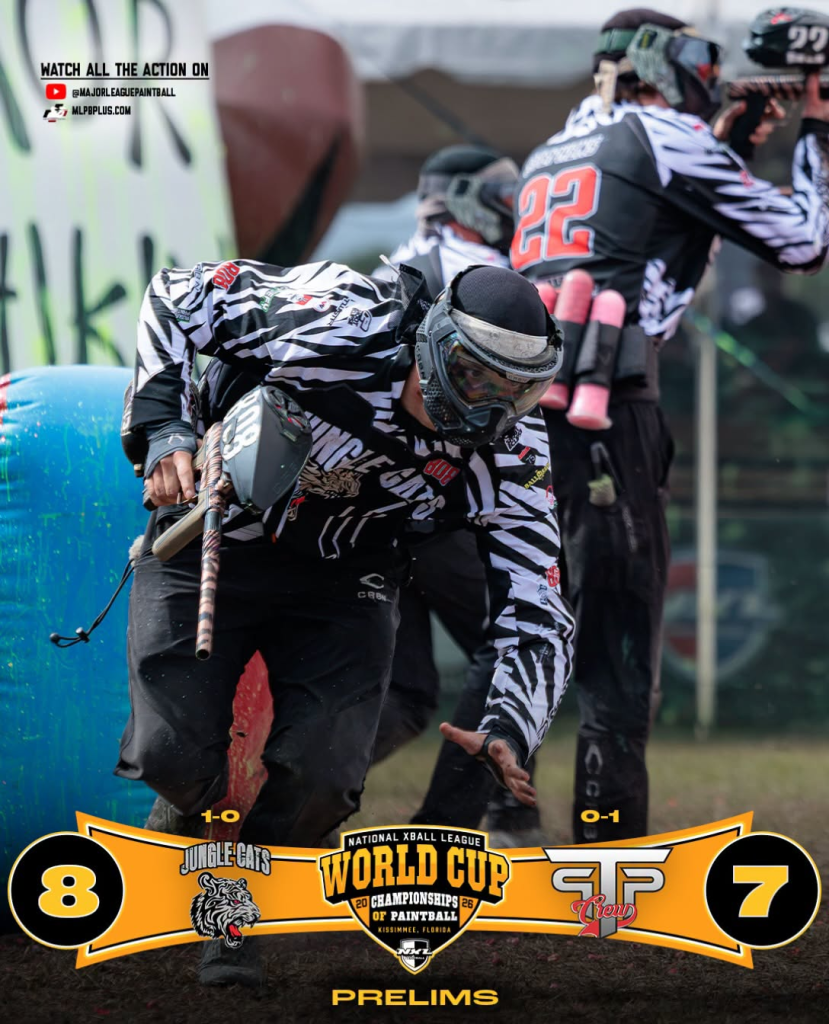
VS Puerto Rico TPP Crew
First, I want to give a shout-out to TPP Crew. We know these guys, we’re friends with them, and we had originally planned to scrimmage them during layout practice. That changed when we discovered we had drawn them in our bracket. Funny how that works. I have tremendous respect for what they’re building. In my opinion, they’re easily the best team to come out of Latin America in recent years, and their performance at World Cup certainly reinforced that belief. But friendship aside, we had a match to win.
We didn’t have any scouting data on TPP save what my players knew from watching them in semi-pro. So our approach was going to be fairly straightforward. Focus on ourselves. Execute our game plan, establish pressure, and let our understanding of the layout create opportunities. And, for a while, that’s exactly what happened. We were playing aggressive paintball, feeling out their tendencies, and developing a rhythm. We built a 5-2 lead with 8:02 remaining in the match. And then we decided to make things interesting. Apparently, winning comfortably wasn’t on the agenda.
We had a point that should have made the score 6-2. We had the body advantage and the opportunity to put considerable distance between ourselves and TPP. Instead, we began losing unnecessary gunfights. A penalty compounded the problem, and what should have been a four-point advantage became a 5-3 game with us playing bodies down on the following point. TPP capitalized. Then they capitalized again. Before we knew it, they had scored four unanswered points and were leading 6-5 with 2:10 remaining.
Now, I want to be careful here because I don’t want to take anything away from TPP. They played well, adjusted, and took advantage of the opportunities we gave them. That’s what good teams do. But we helped them considerably. One of the recurring problems we’ve faced this season has been recognizing when we have an advantage and understanding what that advantage should allow us to do. We can win the break. We can establish the better field position. We can create numerical superiority. But if we don’t recognize those conditions and adjust our decisions accordingly, we’re simply giving the other team opportunities to get back into the point. And that’s precisely what happened. We weren’t necessarily getting outplayed structurally. We were making individual decisions that were undermining our collective advantage. We finally started playing better paintball again around the twelfth point, only to give the momentum right back. Eventually, we found ourselves trailing 7-6 with just 25 seconds remaining.
Twenty-five seconds. For those unfamiliar with X-Ball, that’s not exactly a comfortable amount of time to score a point. But during our layout preparation, we had spent considerable time recognizing those fast-point scenarios. We had identified the access points, discussed the necessary sequences, and worked/talked through how quickly we could develop the field when the situation demanded it. Our fastest practice point had been 21 seconds. So when we looked at the clock, we weren’t thinking we were finished. We were thinking we had enough time. And my guys knew it too.
Davis Stephens got things started, and Mike McGowan made an excellent read to help us close the point with six seconds remaining. We had just taken a match that should have been comfortably ours, nearly given it away, and somehow managed to drag it into overtime. Not exactly how I perceived the match going, but I’ll take it.
In overtime, Jay Oller would get things started by removing TPP’s snake player. Ronny Tiner would create pressure D side, and Davis Stephens followed with an excellent center punch to finish the job. Cats win 8-7.
There were two very different lessons in this match. The first was that we still had a tendency to turn manageable situations into unnecessarily difficult ones. The second was that our preparation had given us the tools to respond when the situation became desperate. That last-minute point wasn’t luck. When the moment arrived, the guys showed composure and executed.
Oh and I think Aaron Smith should win the move of the prelims with his 5 pack snake side crash. Bravo young man. Way to make your return to the pro ranks.
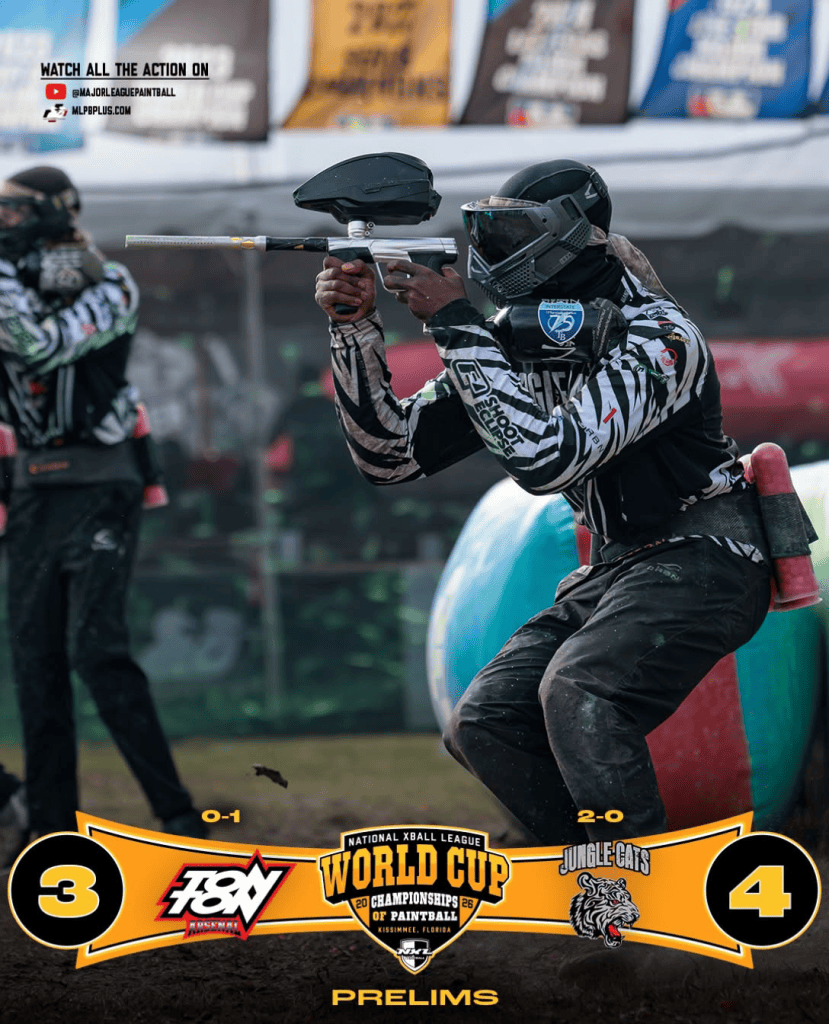
VS Ton Ton Arsenal — 4-3
Our next opponent would be Ton Ton Arsenal, the top seed in our bracket. Another experienced organization. Another talented roster. And once again, no real scouting data to work with. So we approached this match similarly to TPP. Play our game, impose our tempo, communicate, and force our opponent to react to us. Thing is, I feel we match up well against these guys. In Tampa, if we were able to get paint out of our guns, I think that match goes very differently.
The opening point was exactly what I wanted to see. We established a high tempo, checked in appropriately, recognized the remaining bodies, and closed the point efficiently. There was no unnecessary hesitation. The guys understood the situation and acted accordingly once they had all the data.
Joey Dipolito followed that up with some excellent communication in the second point, helping us establish a 2-0 lead. Now we’re talking! Of course, there was still 10:21 remaining on the clock, and Ton Ton Arsenal wasn’t about to roll over. Their guns answered in the following point, and before long we found ourselves in another point where the small details were determining the outcome. There were some excellent individual plays throughout the point. Ronny Tiner and Jay Oller both got creative, with Jay making some great shots through the center and winning a critical gunfight in the snake. Unfortunately, Hugo made an equally impressive read, catching Jay and exploiting the opportunity to eliminate two more of our players. The following point the TonTons guns were hot on the break. They didn’t have an issue with closing the up body advantage that point.
That’s professional paintball. One moment you believe you’ve established control, and the next you’re watching an opponent use your own advantage against you. We rattled off two points and they rattled off two. Tied ballgame.
The fifth point, we would also find ourselves in another situation that has become a recurring theme this season. A 5-on-3 advantage. And somehow, we allowed it to deteriorate into a 2-on-2. Part of the problem involved an incorrect body count. At World Cup, the pits are positioned directly behind the start boxes rather than off to the sides, which can make identifying eliminations and tracking personnel a little more difficult. But difficult doesn’t mean impossible. We have to be better at identifying who’s alive, who’s dead, and what that information means to the remaining players. Jay eventually sorted out the count, and both he and Aaron Smith made some important decisions as the point developed. Aaron relocating cross field and Jays comms tracking where the bodies were… Jay would ultimately make the big play necessary to secure the point. There were mistakes in that point, certainly. But there was also some terrific closing work from my remaining players.
We would take a 3-2 lead with just over three minutes remaining. Unfortunately, our next attempt to apply pressure cost us two bodies on the break, and Ton Ton’s capitalized to tie the match at 3 with 2:22 left.
The final point of the match, we won the break, creating a 5-on-4 advantage, but a miscommunication sent Oller to his death and brought things back to even. Blaine Povilaitis, who had stepped in for Aaron Smith, began engaging in some rather “enthusiastic” gunfighting. And by enthusiastic, I mean he was scaring the living crap out of me. From a coaching perspective, there’s a fine line between applying necessary pressure and taking unnecessary risks. Blaine was walking that line like a tightrope artist without a net. But here’s the thing. He was communicating. He understood the clock. He was tracking his opponents. And then he got his kill. Then Ronny Tiner shot Axel. Suddenly, we were up 4-on-2 with 22 seconds remaining. Joey recognized the situation and launched through the center, bunkering the back-center player. Hugo had his gun in that direction but missed. Ronny saw Joey’s movement, recognized the timing, and followed with an excellent situational understanding.
We secured the point with seven seconds remaining. Cats win 4-3.
For the first time all season, the Atlanta Jungle Cats were 2-0 in preliminary play. And we had just beaten the top seed in our bracket. I was proud of that. Not because we had played flawlessly. Far from it. But because the guys had demonstrated something we’ve been working toward all year: recognizing the opportunity and acting together before it disappeared. There is a difference between five players individually trying to win a point and five players collectively understanding how to win it. In those closing moments against Ton Ton, we looked like the latter.
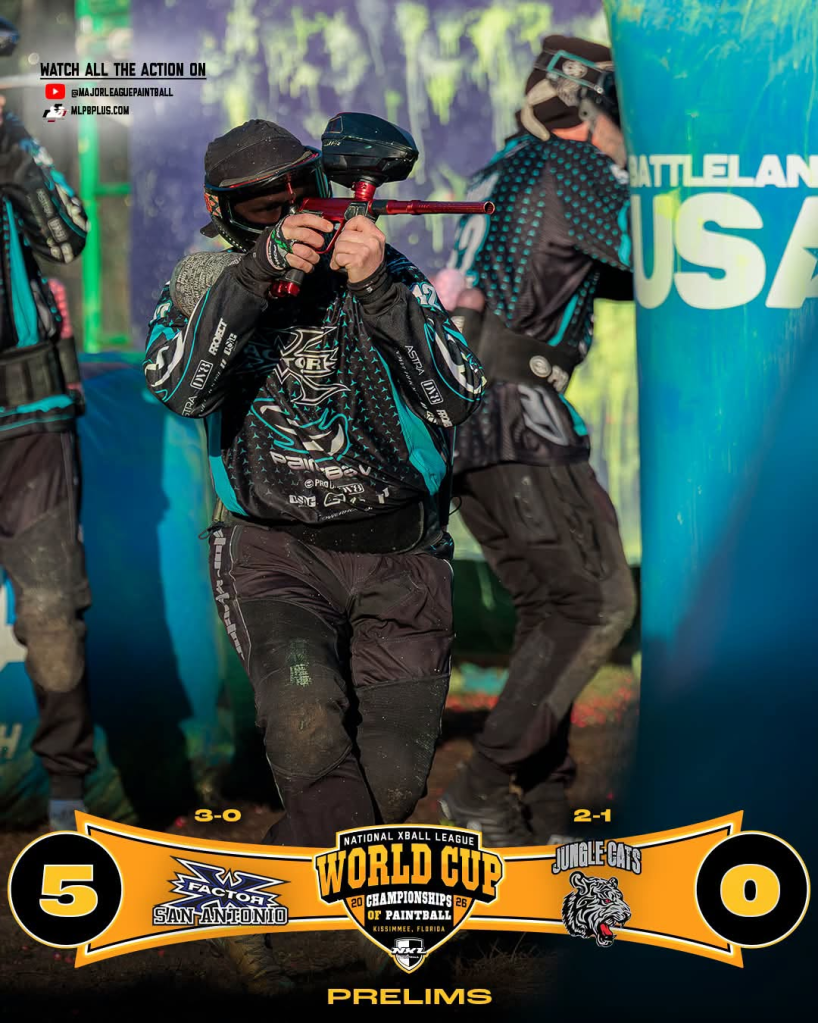
VS San Antonio X-Factor
This match was humbling.
Unlike our first two opponents, we had scouting information on X-Factor. We understood their personnel, had identified tendencies, and felt reasonably comfortable with what we might see. But there’s understanding what an opponent has done and assuming they’ll continue doing it… Especially when the opposing coach is Ryan Brand. Ryan is an excellent tactician, and I have tremendous respect for his ability to prepare and adjust. It was evident throughout the match that both coaching staffs were working hard to identify personnel and create favorable situations. Both teams were making box and personnel calls before nearly every point.
But ultimately, the game still has to be played. And Matt Jackson put on an absolute clinic on how to play the center of the field. Sometimes you have to acknowledge when an opponent simply performs exceptionally well. You can prepare for a player, understand his tendencies, and anticipate where he’s likely to create pressure. But knowing what he’s going to do and preventing him from doing it are two entirely different things.
X-Factor was better than us in this match. There isn’t much value in dressing that up. They executed better, controlled the important areas of the field, and capitalized on the opportunities we gave them. As the match approached its conclusion, we also had to consider the larger tournament implications. With the way the standings and tiebreakers work, a mercy-rule loss could hurt us considerably more than a 5-0 defeat. So while we weren’t going to abandon an opportunity to score if one presented itself, we also understood that reckless aggression could cost us something beyond this particular match.
We lost 5-0. Legitimately. And I have no problem saying that. Respect your opponent. Learn from the experience. Move on. That’s what professionals do.
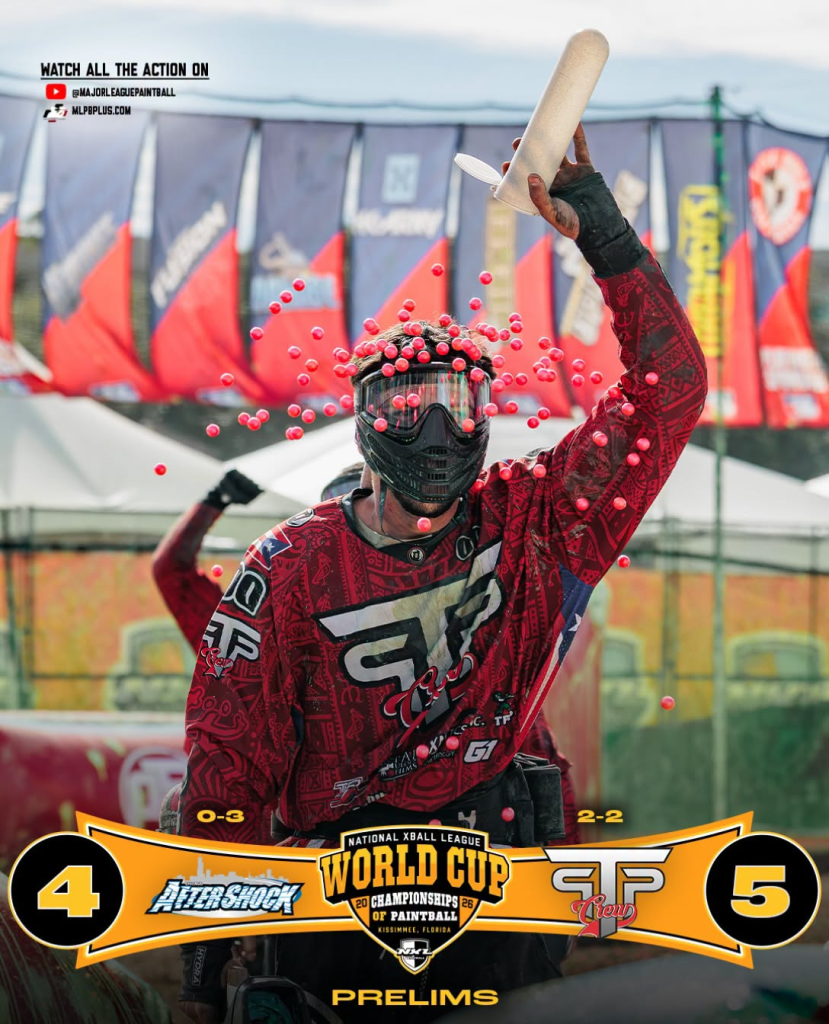
VS Chicago Aftershock
Oh boy. I’ve been trying to figure out how I want to write about this match because, quite frankly, there are a few things that still irritate me. And I don’t mean a little. But before I go any further, I want to make something clear. I have tremendous love and respect for Todd Adamson. He’s a friend, and there are several players on Aftershock whom I genuinely like and respect. That doesn’t mean we’re going to exchange Christmas cards after every match, but there is a difference between competing fiercely and losing perspective. Unfortunately, not everyone seems to understand that distinction. More on that in a moment.
We had a decent understanding of Aftershock’s personnel, although their scouting data was somewhat inconsistent. Rather than trying to predict breakouts or plays, we wanted to focus on their personnel and execute our own system. Timing and tempo would be important (they are not the same thing. I have a portion in my upcoming book the denotes the difference). We believed longer points generally favored us, provided we maintained our structure and recognized the opportunities to close when they appeared. We put in Aaron Rios, whose particular strengths on this layout gave us some additional options. And he made an immediate impact. In our opening point, Aaron came out of the back center, won an important gunfight, and then developed down the Dorito side to collect two additional kills. Excellent work. The point lasted 2:56, and we took a 1-0 lead.
Aftershock responded with considerable pressure and tied the match.
Then things started getting interesting. We shot one of their players almost immediately off the break, and a penalty followed. We were now looking at a 5-on-3 advantage and an opportunity to score quickly. Instead, chaos. We somehow allowed that advantage to deteriorate into a 2-on-1 and nearly threw the point away. Again. We did manage to close it, taking a 2-1 lead, but the pattern was becoming difficult to ignore. We were creating advantages and then making decisions that allowed our opponents back into the game.
On the following point, we shot two players off the break. There are the guns I’ve been looking for! Unfortunately, we gave one back and then received a major penalty.
Now, I’m not going to pretend I handled that moment perfectly. I got hot. From my perspective, I saw paint come off Hosky before he ran Aaron Smith down. Joey was shooting that direction, and I believed the call warranted another look. I asked my staff to handle the next point so I could speak with Jason Trosen (by the way, BIG shout out to Josh Milligan, Rod Griffin, and Alex Hicks for their incredible help. Thank you gentlemen. You guys were AWESOME. Milligan with his assessments and assistance play calling and Rod and Alex with your scouting support and help talking to the guys. Amazing work all! ). The explanation I received I knew was inaccurate but I didn’t have time to argue. Afterwards, when I reviewed the footage, I am seriously disappointed with what I was told after review. But that’s probably a conversation for another blog. What matters here is that we were once again forced to play down. To add insult to injury, things become really frustrating that point. Jay Oller appeared to shoot Hosky in the face, yet play continued after a “check”… I’ll let that hang there for a moment… okay, moving on. Jay eventually moved to the opposite side of the field, eliminated another Aftershock attacker, and helped create the opportunity for us to win the point. With excellent work from Jay and Davis Stephens, we regained the lead 3-2.
Aftershock answered again when Michael Rojas made an excellent read and broke the point open. Tied 3-3 with six minutes remaining. Mike McGowan would then make another important read, helping us establish a 3-on-1 advantage that we successfully closed. Cats lead 4-3 with 4:52 remaining.
And then came the point I probably want back more than any other point at World Cup. We traded bodies off the break. McGowan was eliminated from the center but took Aftershock’s Dorito-side attacker with him. This created an interesting situation. Aftershock had more emphasis on the snake side, while we had established strength on the Dorito side. Joey recognized the developing situation and moved to support Aaron Smith. Good decision. Ronny Tiner had advanced to Dorito 4, giving us excellent field position. We then lose Davis Stephens but eliminated two more opponents! Now we’re up bodies 3-on-2.
This is exactly the kind of situation we’ve discussed and studied throughout the season. We have the advantage. We have the field position. We have the opportunity to close. And then a singular mistake costs us. Both Aaron and Joey get caught looking inside. Watching the tape, it does appear Smith is aware and is communicating this. Hosky recognizes the opportunity and makes a desperate run that catches them both. Just like that, a point that should have extended our lead becomes a tie game. 4-4 with just over 2:20 remaining. I don’t want to diminish Hosky’s play. It was a good move, and he executed it. But it was an opportunity we should never have given him. That’s the part that bothers me. Not that an opponent made a great play, but that our decisions created the conditions that allowed it to happen.
On the next point, Blaine was called eliminated off the break. From what I could see, and what I later reviewed, I didn’t believe he had been hit or had left early. It was a corner ref that called it, not the ref behind the box… I need to investigate that one. He got a raw deal. Fortunately, we shot an opponent on the break, bringing the count to 4-on-4. As the point developed, Aftershock gained an advantage. McGowan made another important kill with approximately 45 seconds remaining, bringing us back to a 3-on-3.
Then disaster. Joey and Oller were eliminated almost simultaneously, followed shortly by McGowan. With approximately 25 seconds remaining, I was trying to concede the point. And the damn button wouldn’t work. I lost several seconds trying to get it to register. Those seconds mattered because we needed every opportunity to respond. We attempted a desperation attack, but it wasn’t enough. Aftershock wins 5-4.
Now, for those who were following the standings, we had already done the math. With our head-to-head victories over TPP Crew and Ton Ton Arsenal, and TPP’s victory over Aftershock, we knew we had secured the second seed in our bracket. We were going to Sunday. Apparently, not everyone had worked that out. Because after the match, one particularly charming member of Aftershock decided to tell us to go home, accompanied by a rather colorful description of our team. Well, here’s the thing. We weren’t going home. He was. We were going to Sunday. Math is hard for some people, I suppose. But I digress.
There’s a larger point here, and it has very little to do with officiating, trash talk, or personalities. We should have won that match. Not because Aftershock isn’t talented. They absolutely are. Not because we deserved favorable calls. We don’t. And certainly not because I believe we were somehow entitled to victory. We should have won because we repeatedly created the conditions necessary to win and then failed to protect those advantages. That’s on us. The officials didn’t force our players to lose awareness in a 3-on-2. They didn’t make us surrender numerical advantages earlier in the match. And they didn’t prevent us from executing what we had practiced. I can disagree with officiating decisions while still acknowledging our responsibility for the outcome. Those two things aren’t mutually exclusive. And as much as I’d like to spend another thousand words discussing the calls, that wouldn’t make us a better paintball team.
Fixing our mistakes will.
Sunday VS San Antonio X-Factor…again
We had made it. Sunday paintball. For the first time in our professional history, the Atlanta Jungle Cats had advanced beyond the preliminary rounds.
Now, I understand that for organizations accustomed to competing for championships, simply making Sunday isn’t necessarily something worth celebrating. But perspective matters. For a rookie professional team, this was an important milestone. We had earned our place.
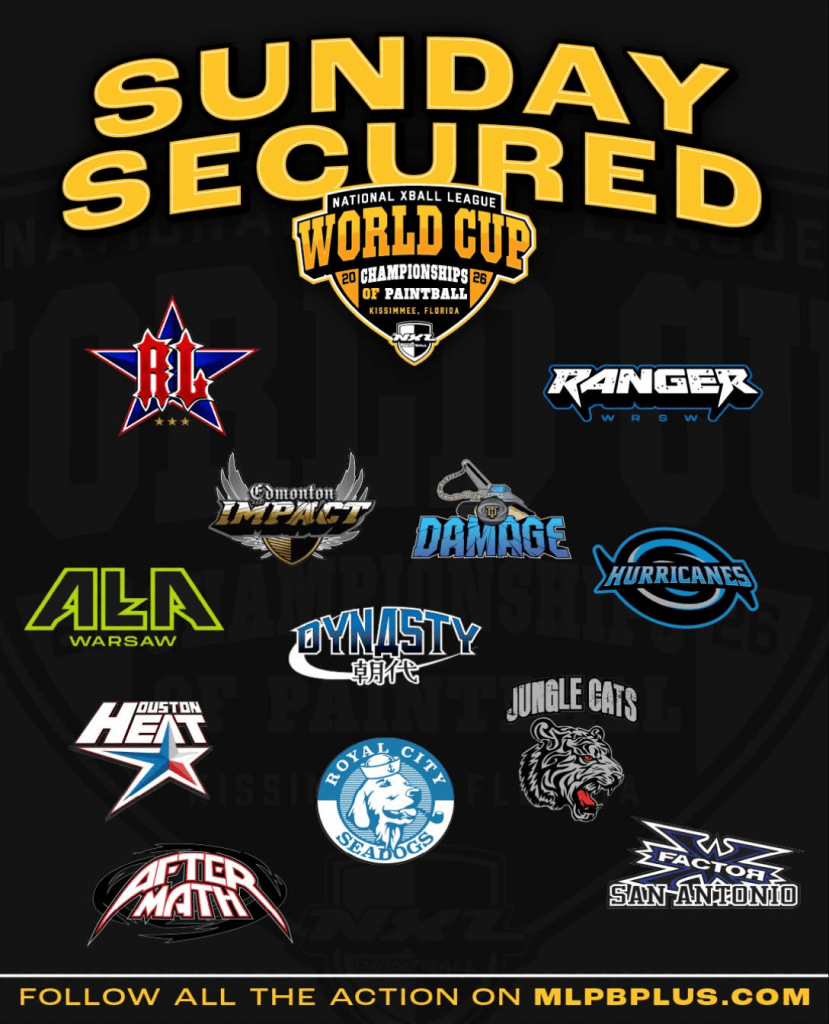
Unfortunately, waiting for us was a familiar opponent. San Antonio X-Factor. Again. Because apparently once wasn’t enough. I genuinely feel something should be done about meeting someone from your bracket first thing Sunday. Anyway… X-Factor had defeated Ton Ton Arsenal, and the resulting seeding put us back across the field from a team that had already beaten us convincingly. We knew what we were facing. We had studied them, played them, and now had additional firsthand experience to draw from. But experience alone doesn’t erase the difference between two teams. X-Factor is an established professional organization with considerably more experience competing at this level. Their players have spent years developing the ability to recognize situations, make decisions, and execute under pressure. That experience matters. And once again, they were the better team.
Could we have beaten them? Yes. I believe that. But believing you can beat a team and actually doing it are two very different things. We didn’t win. And I’m not going to manufacture excuses or diminish X-Factor’s performance to make ourselves feel better. They earned their victory. That’s competition.
But I also don’t believe our Sunday loss somehow erased what we had accomplished getting there. We had won two matches against quality opponents, advanced out of our bracket, and given ourselves an opportunity to compete on Sunday. For the first time this season, we had put ourselves in a position to play meaningful Sunday paintball. That matters. Not because it was our ultimate goal. But because it was evidence that we were moving in the right direction.
Looking Back On Our Rookie Season
When we began this season, I believed the Atlanta Jungle Cats were, at a minimum, capable of being a top-15 professional team. I didn’t arrive at that conclusion because I wanted to make everyone feel good. I believed it because I understood the talent we had, the systems we were building, and what I thought we could accomplish if we committed to the work. Unfortunately, it took until World Cup for that expectation to materialize… We finished the season in 15th place. Some might look at that and say we barely accomplished what we set out to do. Fair enough. But I think that interpretation overlooks quite a bit.
At the Tampa Bay Open, we were competitive in every match. We made mistakes, certainly, but we also demonstrated that we could play with professional teams. We earned our first professional victory against the Seadogs, a second-year pro organization. That was an important moment. Not because it suddenly made us a great team, but because it removed a question that had followed us into the division.
Could we win at this level? And the answer was… Yes.
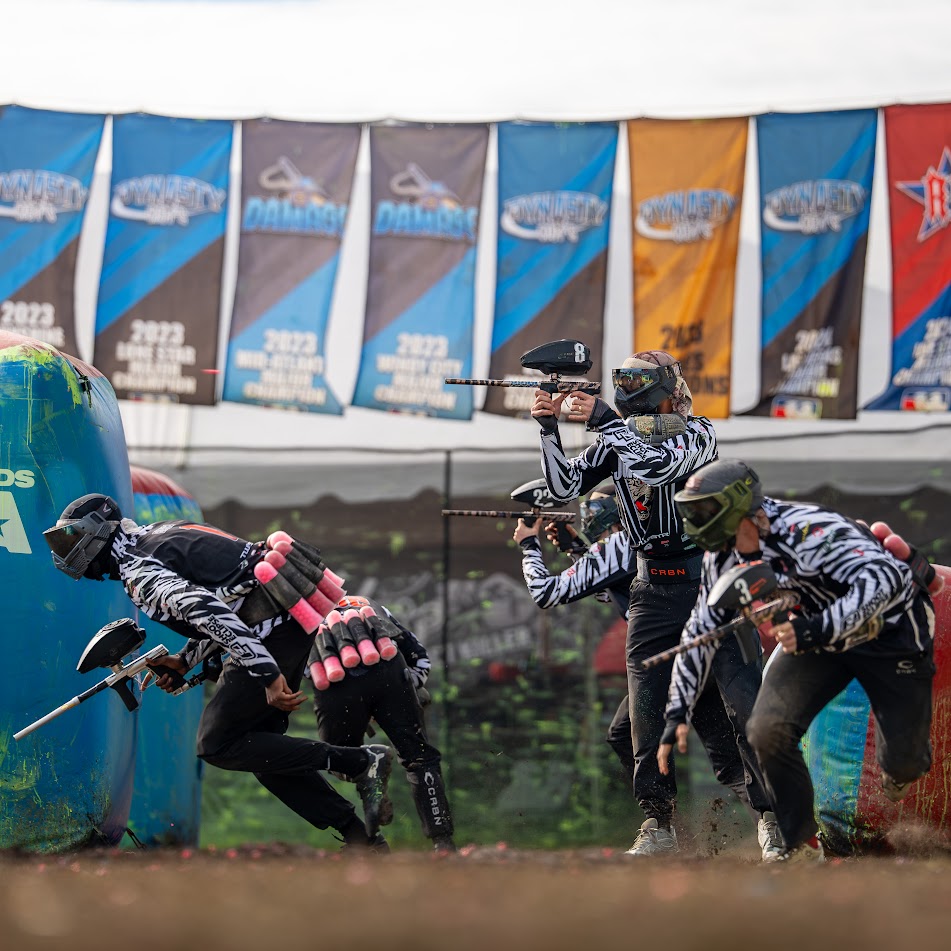
At the Mid-Atlantic Open, we continued to show progress. We took Paintball FIT to overtime, played a strong match against San Diego Dynasty, defeated New York Xtreme, and lost a match to Los Angeles Collision that I still believe we should have won (don’t get me started on that one). Again, there were mistakes. Again, there were missed opportunities. But there was also evidence of improvement.
The Midwest Open was perhaps our most contradictory event. We defeated Red Legion, the number-one team in professional paintball at the time, 9-4. Let me say that again. A rookie professional team defeated the number-one team in the world by five points. And we didn’t do it by accident. We prepared for them, developed a plan designed to disrupt their strengths, and executed it. That victory remains one of my favorite moments of the season because it demonstrated what this team is capable of when preparation, discipline, communication, and execution all come together. But then we followed that performance with matches where we seemed almost unrecognizable. The same players. The same systems. The same coaching staff. Different execution.That was frustrating.
Lone Star was probably our biggest heartbreaker. We had opportunities against Infamous and Houston Heat that I believe should have resulted in victories. We didn’t finish the job. It’s easy to point at an individual mistake, a particular play, or a moment where things went sideways. But ultimately, those moments are symptoms of a larger problem. Quite simply, we have to execute better as a team.
And that brings us back to World Cup. Two victories. Two preliminary losses. A Sunday appearance. Two losses to the same team…A tournament where we demonstrated improvement while simultaneously exposing some of the same weaknesses we’ve been discussing since Tampa. So what does that tell me?
It tells me we’re not finished. Not even close.
One of the things I have tried to emphasize throughout this season is that confidence should be built on evidence, not wishful thinking, not motivational speeches, not someone standing in front of a group of players telling them how great they are.
Evidence.
And when I look at the evidence from our rookie season, I see a team that has demonstrated the ability to compete with some of the best organizations in the world. We’ve beaten Red Legion. We’ve beaten Ton Ton Arsenal. We’ve taken established professional teams deep into matches and forced them to earn their victories. We’ve shown that our preparation works, that our players possess the necessary skills, and that our systems can create winning opportunities. Those aren’t opinions. Those things happened. But there’s another side to that evidence. We’ve also surrendered too many advantages. We’ve lost too many unnecessary gunfights. We’ve made poor decisions in situations where the correct decision should have been obvious. We’ve struggled to communicate effectively when the field becomes chaotic. And perhaps most frustratingly, we’ve repeatedly failed to close points that were ours to win.
At World Cup, that problem was on full display. Against TPP Crew, we turned a 5-2 lead into a deficit. Against Ton Ton Arsenal, we allowed a 5-on-3 advantage to deteriorate into a 2-on-2. Against Aftershock, we surrendered a critical 3-on-2 advantage that could have put us in position to win the match. Different opponents. Different circumstances. Same underlying problem.
Now, some people might read that and wonder how I can possibly remain positive. That’s easy. Because we know what the problem is! And more importantly, I believe we can fix it. We aren’t consistently losing because we lack the physical ability to compete. We’re losing because our collective decision-making isn’t yet as reliable as it needs to be. That doesn’t mean every mistake is easy to correct. It doesn’t mean more practice automatically produces better decisions. And it certainly doesn’t mean our opponents are going to stop improving while we work on ourselves. But it does mean we have something specific to address. We need to improve our situational awareness. We need cleaner communication. We need the players to understand not only their individual responsibilities but how those responsibilities change as the point develops. We need to recognize when we have the advantage and understand how to protect it. Sometimes that means attacking. Sometimes that means pausing and taking a beat. Sometimes it means refusing a gunfight that offers absolutely nothing to the team. The correct decision is always dependent on the situation. And that, my friends, is where the real work begins.
The mind is the weapon… the body is the ammunition. We have spent an entire season proving that we have the ammunition. Now we have to clean the barrel and sharpen the weapon.
To My Atlanta Jungle Cats
Guys, I want you to understand something. I am proud of what we’ve accomplished this season. Not satisfied. Proud.
There is a difference. You earned your place in the professional division. Nobody gave you that opportunity. You fought your way through the ranks, won the matches necessary to get here, and accepted the challenge of competing against the best players in the world. That’s something you should never diminish. But I also want you to understand that earning your place in this division was only the beginning. The professional division doesn’t care what you accomplished in D3, D2, or Semi-Pro. It doesn’t care how many trophies you collected or how dominant you were before you arrived. Those accomplishments earned you the opportunity to compete here. They didn’t guarantee you success once you arrived. And that isn’t an insult. It’s the reality of competition. Every team in this division has talented players. Every organization has people who work hard. Every roster has individuals capable of making incredible plays. Talent is the price of admission. What separates the best teams is what they do with that talent. Their discipline. Their preparation. Their ability to communicate and make decisions under pressure. Their willingness to put the success of the team ahead of the desire to make an individual play. And perhaps most importantly, their ability to repeat those behaviors consistently. I call that a culture… but I digress.
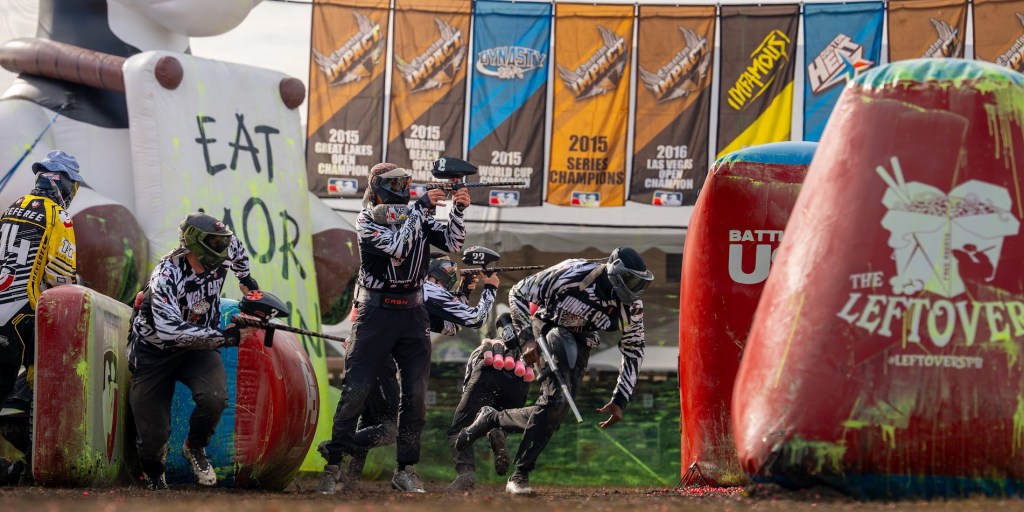
That’s what I want you to become. I don’t need you to be perfect. I don’t need you to win every gunfight. I need you to understand which gunfights are worth taking. I don’t need five heroes on the field. I need five players who understand how to win together. And I need each of you to recognize that the responsibility for our improvement belongs to all of us. Including me. Especially me.
As your coach, I have to continue evaluating how we prepare, how we practice, how we communicate, and how we develop our players. I have to make difficult decisions, acknowledge when I get things wrong, and remain willing to change my approach when the evidence tells me something isn’t working. I expect the same honesty from you. Because the moment we begin protecting our egos instead of examining our mistakes is the moment we stop improving. And I have absolutely no intention of allowing that to happen. We learned a tremendous amount about this division in 2026. We also learned a tremendous amount about one another. Some of those lessons were encouraging. Some were uncomfortable. A few were downright painful.
As Jocko Willink would say, “Good.”
That’s what growth looks like. You don’t become a better competitor by avoiding difficult truths. You become better by confronting them and doing something about them. And I believe this group is capable of doing exactly that.
There’s a temptation after a season like ours to measure everything by the final standings. Fifteenth place… For some, that’s the entire story. But I think about where we started. I think about that first professional victory in Tampa. I think about the opportunities we created against Dynasty and FIT at the Mid-Atlantic. I think about standing behind the net in Cincinnati watching my players dismantle the number-one team in the world. I think about the frustration of Lone Star and the matches we let slip away. And I think about World Cup.
The excitement of starting 2-0. The satisfaction of earning our first Sunday appearance. The frustration of watching familiar mistakes cost us opportunities. And the realization that, despite everything we still need to improve, we finished our rookie professional season exactly where I believed we were capable of finishing. In the top 15. Did we accomplish every goal? No. Did we make mistakes? A whole bunch of them. Did we learn? Absolutely. And that’s why I remain optimistic. Not because I’m unwilling to acknowledge our shortcomings, but because I’ve seen enough evidence to believe those shortcomings don’t have to define our future. We have a foundation. We have talent. We have a system. And we have a season’s worth of experience that cannot be replicated in practice.
Now we have to decide what we’re going to do with it. You earned your place in professional paintball through what you accomplished before this season. Throughout 2026, we demonstrated that we belong here. But belonging isn’t the finish line. It’s the starting point.
The next step is earning the right to be considered a serious threat. And that won’t happen because I write a positive blog, because we beat Red Legion once, or because we managed to make Sunday at World Cup. It will happen when we take everything we’ve learned, everything we’ve practiced, and everything we’ve experienced and turn it into consistent performance. When we stop surrendering advantages. When we stop allowing individual mistakes to become collective failures.When communication becomes instinctive, decisions become decisive, and execution becomes the expectation rather than the exception. That’s when things will change.
I believe 2027 will be a better season for the Atlanta Jungle Cats. In fact, I’m about as close to guaranteeing it as a coach should ever be. Not because I think it will be easier. It won’t. Not because the competition will somehow become less talented. It won’t. And certainly not because we deserve success simply for having endured a difficult rookie season. We don’t.
I believe you’ll be better because now you understand the price of competing at this level. And more importantly, you know what you still have to pay.
There’s an old Sicilian proverb I used earlier this season:
Nun dumandari chiddu chi nun po’ pigghiari.
Don’t ask for what you can’t take.
When we began this journey, we weren’t asking for permission to compete with the best. We were coming to earn it.
Well, gentlemen, you’ve earned your place. Now it’s time to earn something more.
Be Water My Friends…

