Two Dragons – a New Era

It is Christmas Eve morning as I write this. I often use this time to reflect on the past year, count my blessings, and recognize where I have been, where I am, and where I am going. This is the season of giving… and I have been given much.

A phrase said and heard over and over again… “Change is the only constant in life.” I think this very simple yet powerful statement is true because it encapsulates the fact that, every moment is transient.

Change can be a scary thing. That’s because it can be an either/or… either positive or negative. We never know if a change will be good for us or not, and usually not until enough time has passed and we fully realize the consequences of it.

I do believe that, more often than not, change makes us better. It helps us grow. If we aren’t actively seeking it out, we should at the bare minimum be prepared for it. Though I think we can all agree that most of us are programmed to resist it… even when we know it may be best. Why is that?

More than likely because we are comfortable. We are warm and protected in our bubble/routine of the known. We have become dormant, being content with what is, never considering what could be… Why would we upend any of that for the possibility of losing it or replacing it with something difficult? Why actively pursue potential adversity?

Because comfort is where dreams go to die…

Change is often the catalyst that drives many of us forward. And we need to recognize it for the true power it wields.

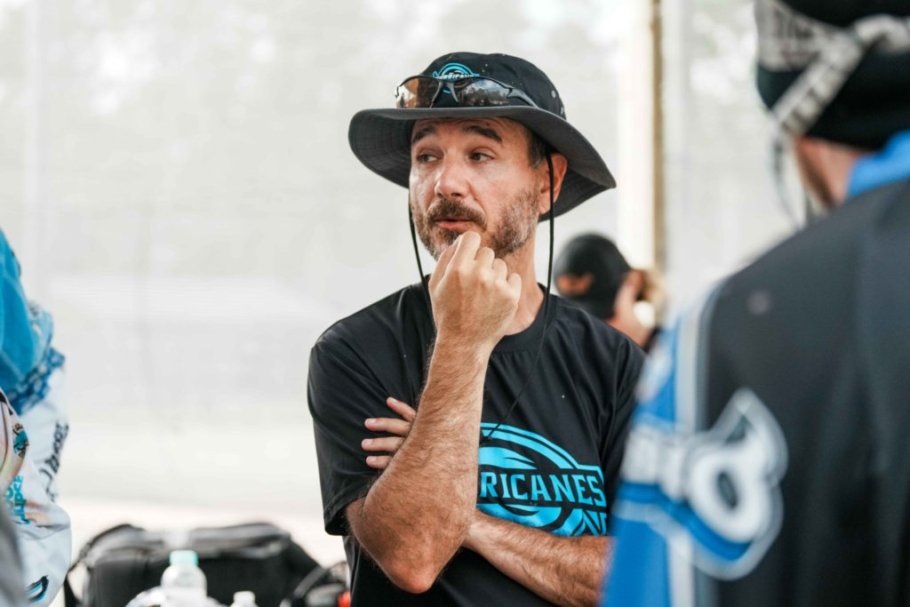
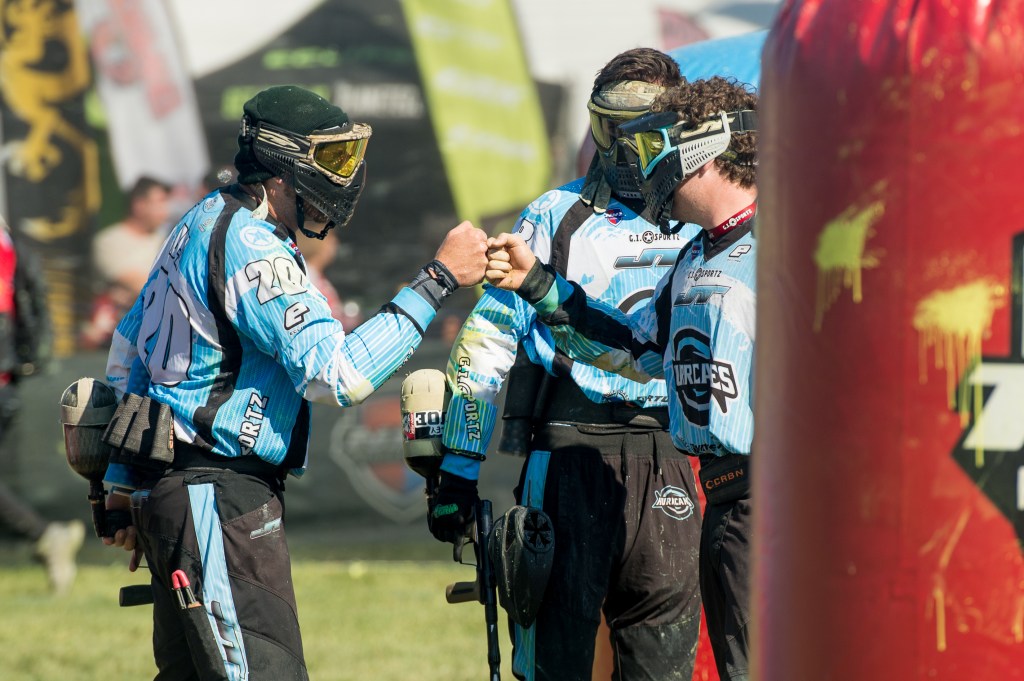
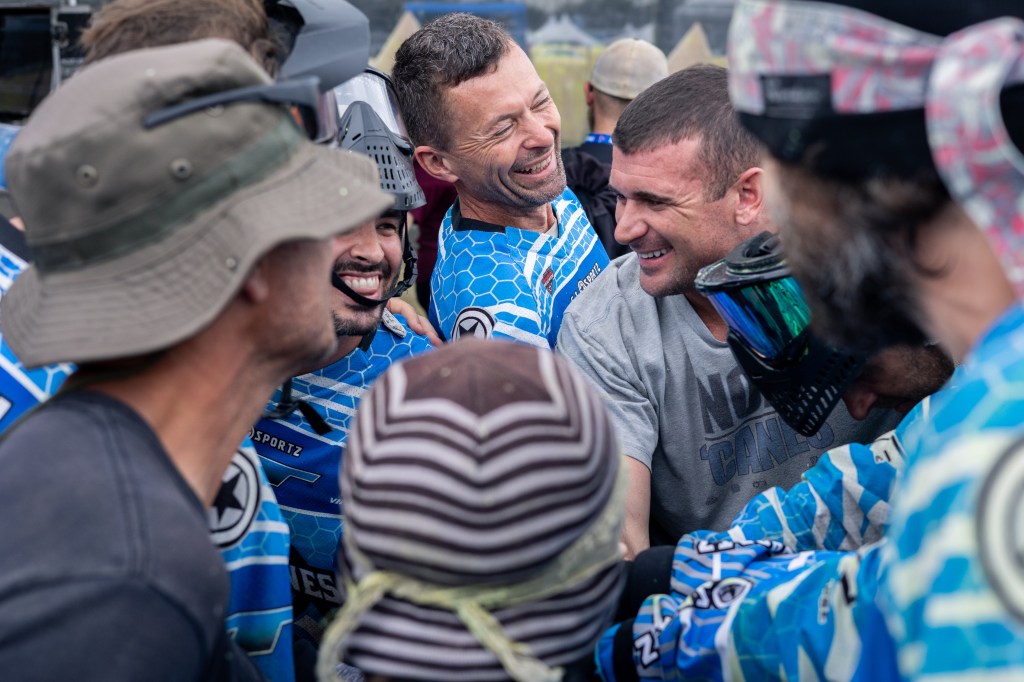
** Zen Note – Before I go any further, I want to take a moment to once again thank the New Orleans Hurricanes for their love and support. I am tremendously grateful to them and always will be. They helped propel me to where I am. I am forever indebted to them. Love you guys. This change will make you better and stronger, of this I have no doubt. I know I am leaving you in better condition than before!

The recent decision of mine to leave the New Orleans Hurricanes to take on the role of San Diego Dynasty’s coach has brought a tremendous amount of change to my life. Some of the ramifications of the decision were felt/seen almost instantaneously, others have yet to be revealed. So far, all have been positive and I cannot think of a scenario where the consequences of this action will have any negative connotation. And if I could think of one, I doubt I would accept it or recognize it as “negative”.

Am I worried or concerned about the future? Not really. Let me explain. Stoicism teaches us that we suffer more from the imagination than we do from the reality.

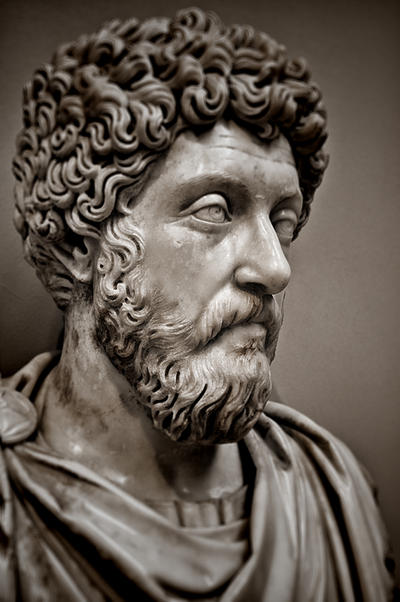
“Never let the future disturb you. You will meet it, if you have to, with the same weapons of reason which today arm you against the present.” – Marcus Aurelius

I love that Dynasty’s logo and mascot is that of a Dragon. The dragon, in eastern cultures, is a symbol of strength, wisdom, good fortune, and magnanimity. The latter is my favorite of the descriptors. The virtue of a strong heart and mind… it is something I have always aspired to. It is why the Zen logo is a dragon. We should want to encompass these things, pursue them, obtain them, and maintain them. And, over the years, I think it has been obvious that these virtues were and are integral to Dynasty, as well.

I have so much to learn. It has already been a surreal start. The Dynasty guys have been nothing but welcoming and professional. I think we all know how much their legacy in this sport means to so many of us. It is not lost upon me what they represent to the paintball community. Even though I am older than every member of this team, I certainly understand and respect what they represent to paintball as a whole. I am duty bound to give everything I can… and uphold that legacy.

My biggest excitement is with the implementation of my system with Dynasty. I have always believed that a good coach can walk their team through the what, the how, and the why of any change. The latter is probably the most difficult. The WHY must be meaningful… frankly, I wholeheartedly expect them to apply Bruce Lee’s method to what I bring. They will “absorb what is useful, discard what is useless, and add what is uniquely their own.” Meaning, they will just make it better. Heck yeah…

So where do we start? We start with a vision of the future. That vision will encompass some questions which will lead to efficiency and streamlining… what is necessary, and what isn’t. We will trim the fat. We will manage expectations and understand what that structure will be like. We will set goals and develop plans to reach them. We will not limit anything. There are no limits. There are only plateaus, and we must not stay there, we must go beyond them. (More Bruce btw)

San Diego Dynasty are champions. They know how to win. They are the heroes of this unfolding story. This is about them. They are the ones who will make history. They are the ones who will be on the field implementing a shared vision, meeting the goals, rising to the challenges that face us. My role in all of this is to chart a course and steer us towards fruition. If the winds shift, my role is to adjust the sails. If the sea gets choppy, I need to make sure the crew is prepared. If we get off track, that’s on me.

“Rough seas make good sailors”. And they are already good sailors. They know how to sail the rough waters. The perils that await us are not anything we haven’t seen before. We will meet them with the same weapons of reason which today arm us against the present…

To Alex, Ryan, Yosh, Blake, Danny, Harrison, Arturo, Kyle, Joe, and Junior… I cannot wait for this journey to begin. In many ways, it already has.

Merry Christmas everyone! And a Happy New Year!

Critical Mass… or is it?

How many of you take stock at the end of the season with your own introspection?  What do I mean by this… put plainly, do you or did you take the time to truly examine your own mental and emotional processes.  Did they serve you well during the season?  Did you falter at some point?  If so, why, and how did you address it? This should be done after each practice, each event, each performance, and not just at the end of the season in my opinion.

Did you go back and watch tape?  Did you go back and read notes?  Did you even take notes? Did you track what you were doing, how you were doing it, and why?  What was working and wasn’t working throughout the season?

If you aren’t doing this or something similar to it, you are probably failing yourself as a player… and most certainly as a coach. That is the first point I wanted to make.

But I want to get into something way more introspective, maybe even a little controversial, and heavy. But, hey, this is my blog and if you don’t agree or don’t like it, kick rocks and pound sand. I’m feeling called to talk about this so here we go.

If you have followed me for any amount of time, you have heard me quote the stoics at least once… Outside of my Catholic faith (but not necessarily mutually exclusive), I try to live by the stoic principles of life.  If I were to sum up the stoic mindset, it would be that we are how we react to experiences.

Socrates said, “Let him that would move the world first move himself.”

“I am not Socrates… and that’s okay.” – photo courtesy of Fava Photography

But what is the opposite of this?  What is the counter to a person who tries to be the best version of themselves and where can that counter come from?  And why does it rear its ugly head?  If you don’t or haven’t experienced this, outstanding!  If you do, perhaps what I am going to share will help in some small manner.

I am very critical of myself.  More so than with my players.  I hold myself to a standard that, when I feel I have not met it, I become supercharged, almost rabid about trying to “fix” or improve it. In some cases, carelessly so. After all, I am only human. 

I have met people who are similar but don’t have my response. In fact, they have quite the opposite response and you are seeing it become quite prevalent in many of the younger generation. And that is what I want to talk about. It is easy to fall for that inner voice that sows doubt, confusion, and distress.  But what is that?  What is that really?

I was recently exposed to several people like this over the past few months and didn’t realize it until I had a conversation with my wife. So I started reading about it.  In Psychology, there is a phrase called the “critical inner voice”.  It is defined as “… a well-integrated pattern of destructive thoughts toward ourselves and others.”  It’s that voice in your head that leads you to detrimental behaviors or keeps us from avoiding the effort it would take to improve.

I am going to try and apply this to Paintball. Recognizing that you are being too critical of yourself, or your team is difficult but important.  There has to be a balance with criticism, a point that isn’t necessarily crossed.  No, I am not saying you need to be nice or to act or speak about how “everything will be okay.”  I am simply saying we should try to recognize that there may be factors outside of what is really happening that are adversely affecting you or the player or the team’s performance that you may not immediately recognize or see.  THIS IS NOT AN EXCUSE.  I hate excuses. This is recognizing a problem, albeit a convoluted and mysterious one, and trying to solve it.

Criticism is important as long as it is constructive.It doesn’t have to be harsh…

How many of you have said to yourself, “I suck at this.”?  Why?  Did someone tell you were bad at a thing?  Was that person a subject matter expert on this thing or perhaps someone with authority or position?  Did they somehow set a bar that you didn’t immediately meet?  Did they express disappointment and gave up on you?

I will share a personal story with you.  Several years ago, I was told that I wasn’t very good at paintball.  As a matter of fact, I was told, “We can’t win with you on the field, but we can’t win without you at the event.”  I didn’t agree… at all.  And I knew better.  All that did was motivate me, drive me, and believe it or not, that was the catalyst that led to the creation of http://www.Zenandtheartofpaintball.com.

That is an example of an external voice but what about the internal ones…the ones we create.  The external voices from our past can certainly create the internal voices of today.   That devil on your shoulder telling you all the negative things about yourself is a manifestation of some earlier experience.  I’ll share another personal story.  When the New Orleans Hurricanes won the pro spot at the end of ’21, I had an inner voice telling me, “This is a WHOLE different level.  You can’t coach at this level.  You are going to make mistakes and they will be on the webcast for all to see… and they’re all going to laugh at you.  Zen and the art of paintball… ha!  No one thinks the Canes’ can compete at the pro level!  And everyone thinks your processes and your blog are stupid.”

That voice was LOUD.  But that’s all it was… noise.  I would do my best and continue to learn and grow with the team.  And that’s what I did. I doubled down on my thoughts, procedures and processes. And my team doubled down with me and supported me with their incredible minds and work ethic as well. I/we shut that voice up.

When Matty Marshall first asked me up into the booth to commentate (and each time since actually), here came that voice… “You are going to sound or say something stupid.  And then you will become an internet meme. You will no longer be taken seriously!”

I believe this was my 3rd time in the booth. Learned a lot from these two gentlemen, and continue to do so

Yet Matty keeps asking me up.  And that voice has been awfully quiet.  Sure, I hear it way in the distance but I enjoy commentating with Matty and all the cool cats I get to commentate with. I learn so much when I am up there. I look forward to it now because it is an opportunity to learn and, let’s face it, it can be a lot of fun.

When my friend Ryan Gray asked me to do a podcast with him, there came a chorus of voices!  “You are not on the same level as this man or any of the other professional coaches for that matter.  You will be exposed when they hear how you do things, and you will be laughed at by everyone. Not only that, but this is not your radio days, you have a FACE for radio and now you will be on camera.  So not only will you sound stupid, you will look stupid too.”

That voice was with me at the first show having just come off a 1-3 performance at Cup. But the more I listened to my friends, constituents, and the other coaches, I realized they weren’t much different from me. I haven’t heard it since. I look forward to each and every show now. The thing we fear is rarely the monster we make it out to be.

We all have our heroes.  Whether they are a family member, a musician, an actor, a friend, a literary character, what have you… they are our heroes because they were able to DO something, OVERCOME something, SUCCEED at or ACCOMPLISH something.  Now they may have been able to do it without adversity or criticism or made it look easy… but I promise you, at one point, they had a doubt or hurdle that they had to overcome. Heck, my heroes had to overcome HORRORS!

Coach Ryan Gray and author Mike Bianca (Zen)check us out on our Podcast “The Coaches Show”

Here’s my point.  What is the difference between the hero and the coward?  It’s simple really, the hero acts.  That’s it, that’s the difference.  They both experience fear but one simply doesn’t let it control him. Read that again.

I believe that leadership and accountability start at the top.  The coach is responsible for how the team prepares and ultimately performs. The buck stops here.  So, that inner voice has told me plenty of times that I couldn’t hack it.  True story, I have been told that A LOT through out my life.  But like I have always done, I fought back.  But before I could, I had to recognize a few things.

Where was this doubt, this critical thought process of my capabilities, coming from? Oh, I knew.  It was like clockwork. When I set out to do something and didn’t succeed at first, I was usually told by someone, (whether that was a family member, a friend, or heck, myself!) “You can’t hack it… move on, do something else.  You aren’t built for this or that.”  But if you truly want something, you will find a way.  Otherwise you will find an excuse. And what do we think of excuses?

According to Marcus Aurelius, the rules of a stoic mind are as follows:

  1. Keep an untroubled spirit.
  2. Look things in the face and know them for what they are.
Marcus had an epic beard and Aaron Pate hair…

The ancient stoics didn’t let hardships throw them off balance.  Instead, they looked at situations objectively.  They were able to understand them and recognize them for what they really were… not what their emotions made them out to be.  That’s why we must develop the strength to not immediately jump to conclusions.  We should not LEAD with emotions.  We must be disciplined in our approach.  If we can do that, we can keep that critical inner voice in check and our spirit untroubled, but more importantly, keep our judgement sharp. 

But what if you are struggling on this front? What if that critical inner voice is starting to grow loud and, God forbid, win out? The first thing you need to understand and recognize is that voice is NOT a moral compass. It is not a conscience or anything of the sort. If it were, it certainly wouldn’t be so negative. No, that voice is the enemy. And just like an enemy, it must be beaten, conquered, and diminished to never be a threat again! Once you become cognitive of this, you can challenge it and you can defeat it. Know thy enemy. You are in control and you can now act against that voice and what it is advocating. Take back what is yours and actively pursue your own improvement and happiness. No one needs to be a victim unless you actively choose to be. Look at Epictetus, a famous stoic… he was born into slavery but they could not chain his mind… imagine that kind of power.

You can do this.  If I can, anyone can.  Now… go get some.

Be water my friends

S.C.U.D. (Sustaining Concentration Under Duress)

The NXL’s Mid Atlantic open was June 17th-19th.  The next NXL event (not counting the Golden State Open) was the Windy City Major held last month near Chicago from Sept 9-11.  There was a 12 week, or an approximate 3 month time frame between the Mid Atlantic and the Windy City events.

In paintball, that’s a long time.

So, what are the Professional teams doing during those 3 months?  If you are the New Orleans Hurricanes, you are working your day job (in some cases, two jobs), ensuring your career is still on track, taking care of family and significant others, balancing the checkbook, paying bills and taxes, and then shoring up individual and team paintball skill sets at every opportunity.  Because we are so spread out as a team, members get to the field when they can to work drills and teamwork.  If a member of the team can’t make a practice, they are practicing local to where they are.

The everyday life grind coupled with the paintball grind can be difficult.  Priorities for one tend to interfere with priorities for the other.  And that is understandable.  After all, this is the only professional sport that I know of where the pros (or at least a large portion of them) must pay to play at this level.  We are husbands, fathers, sons, and men first.  Our priority and ultimate responsibility is to our loved ones.  We must be solid and good on that front first and foremost before we can be solid and good on the field.  I truly believe this is one of the Hurricanes strengths.  Our support system is a large part of our relative success.

Focus. One voice at a time. What’s the goal and how do we execute/accomplish it?

Okay, but what can we do when your team’s focus appears to be a little blurry?  What can you do if the life grind is interfering more than usual with the paintball grind?  How do you maintain the team’s focus?

How many of you are familiar with the 80/20 rule?  Also known as the “Pareto Principle”. It essentially means that, 80% of your results come from about 20% of your work. More specifically that 80% of outcomes result from 20% of all causes (or inputs) for any given event. So how do we apply this?  It should be obvious, we should focus on that 20%… work the stuff that matters and don’t get distracted by the feeling of “we have to”.  In other words, we should prioritize the 20% of factors that will produce the best results. Logical, yes? But it isn’t always seen that way by a good many…

I see teams fall into this trap quite often.  They over plan.  Whereas, having a plan to begin with is important, and most certainly helps with goal setting, direction, and success, it doesn’t have to be overly complicated. Do not create an environment where, if you don’t do something, it will cause the team to feel they are not prepared.  No need to hamstring the team by developing a “to do” list that isn’t manageable or practical.  It isn’t necessary to get too detailed.   Understand, details are terrific and important but it is a fine line that must be walked.  If we get too detailed, we can get bogged down and miss out on what the real issues are or will be. Efficiency is key. Try not to do something just because other’s do it. Focus on what YOUR team needs. Is this making sense?

Focusing on teamwork and execution of job sets will lead to success.

All that said, try to identify your team’s key needs and best assets. Then try to shore them up in an efficient manner so you get the maximum value added. Now… this is a concept. A rule rather and not a law. What do I mean by this? Don’t make the mistake of thinking that since the 20% gets priority, then the other 80% can be ignored!

We should also recognize the difference between individual and team planning.  As I sated earlier, efficient use of time is really the key to all of this.  When we do have the time together as a team, I want to emphasize very specific team-oriented material as opposed to the individual aspects.  I might mention to an individual player something I see or want them to work on at a team practice and will keep it in the mental Rolodex (maybe discuss during a short break but not spend a lot of time on it)… but the emphasis is, and always will be, on the team dynamic when we are together.  This isn’t to say that individual attention doesn’t happen. It most certainly and almost always does. However, at this level, the individual issues are usually smaller or fewer and less dire.

I will almost always have a specific agenda in mind and time frame for each item on the agenda before a practice.  However, that agenda is fluid in case I see something that needs to be re-emphasized.  The domino effect is very real at practice.

What do I mean by the domino effect?  Well, it’s the whole point of this blog.  Staying focused on the goals can easily be derailed if we allow things to fall off or pile up.  We get off on a tangent and now the tangent becomes the focus as opposed to the intended goal.  At the end of the day, you can’t always control the results.  But you can most certainly control your effort to meet them and focus on them.

When you get down to it, your team is simply a collection of people with a common interest (hopefully). Not to get too high brow but I was recently reading a little Thomas Hobbes. He nailed the concept, at least in my opinion, of what a team is in his book “Leviathan” (well, really government or an organization of civilization… social contract theory… what have you).  He uses the concept of the biblical Leviathan, a giant sea serpent, as a metaphor for the state.  Essentially the creature’s body is a giant body made up of ALL the bodies of its citizens in the literal sense.  The same concept can be applied to a team.  Team, very similar to the different states here in the US, are made up 3 components;  the people, the processes, and their systems.

    “The whole is greater than the sum of its parts.”

    Aristotle

Focus on what you can control.

Ultimately, my main goal for the Canes at a practice is to function as one.  How can we be more efficient and ensure we are all rowing in the right direction with the same desire or outcome in mind?  Our focus – acting as one, a single entity with very specific goals in mind.  What do WE need? Having everyone on the same page is as simple as getting everyone to agree to a very specific list of goals.  Then create acceptance and agreement among the team on how best to get there… as a team.  Identifying and developing focus for the team can be finite.  But alignment on all of it is paramount. 

You have all heard the line, “Trust the process”. If the process leads to small successes over time then it is having the desired effect.

So stay focused on the task at hand, whatever that may be.

And remember…

Be water my friends.

Season Prep Part 1 (Be SMART)

Since the New Orleans Hurricanes won the pro spot in the NXL, I have been asked more times than I can count, “How do you think you will do your first event/season?”

A goal achieved

Don’t get me wrong, I am not upset by the question. As a matter of fact, I welcome it. It gives me an opportunity to try and explain something many people appear to lack these days. Understandably so if you really look at the world around us.

And now I get to explain in length and detail as opposed to my 5 minute elevator speech.

“We are going to do our best.”

But how?

Simple – by utilizing the one thing many appear to be lacking today: a positive mental attitude.

I am going to give you a glimpse of how I personally create a positive attitude.
The first step is, in my opinion, to set a goal. That’s right. If you have been reading this blog for any amount of time, no matter what I am doing, I set a goal(s). When we do this, it helps us focus on the things that are important to meet the goal. When you know what you are after, you’re more likely to stay on task to reach it. In addition to that focus, it should provide motivation. If I genuinely want to reach it, I will. Each goal should act as a stepping stone to the next.

So how do I identify my goals? This might be a good time to talk about the SMART system (work smarter, not harder). SMART is an acronym that stands for Specific, Measurable, Achievable, Realistic, and Timely. It is widely used in the business world. However, I have found it just as applicable in paintball/sports. I personally use these criteria to help identify and focus on my own goals. But I have seen success using it among the teams I have coached over the years.

First, if you are SMART, you will clearly define the goal. This will help map out a path to success. The more detailed you get, the easier it becomes. Make it very clear. Be definitive. Avoid vagueness or ambiguity. Make it SPECIFIC.

Next – give yourself a way to track progress. Set minor goals within goals or perhaps develop a way to record gains. In other words, know how you will see progress towards your goal. Make it MEASURABLE.

The goal has to be attainable. Ask yourself if you have the resources and capabilities to achieve the goal. Have others been able to do it as well? A D4 team consisting of 4 guys who live in the Bob Marshall Wilderness saying we will be the next pro team in 2 years is ridiculous. Make the goal ACHIEVABLE.

It should also be legitimate. Don’t be unrealistic with it. Make it relevant to your path in life. Can you reach it with what time, resources, and capabilities you have on hand? Make the goal REALISTIC.

Finally, give it a timeline. There has to be a due date or a “drop dead” date. If you have a good timeline (a realistic one) that is clearly defined, it will create urgency. That will also help with motivation. Make it TIMELY.

Some goals achieved along the way

Reaching our goals, reaching success is not a matter of luck or chance. It is quite frankly, a matter of choice. You don’t WAIT to be successful at something, you don’t WAIT for something good to happen… you have to go out and get it! And that starts by being SMART.

I have set very simple yet clear goals for the ‘Canes leading into this season. Here they are (high level – I have further detail elsewhere):

  1. Win a professional match point
  2. Win connected professional match points (2 points in a row)
  3. Win a professional match
  4. Don’t get last at any event
  5. Represent our family, friends, fans, communities, and sponsors well by showing a positive and noble approach on and off the field to the game and our opponents (no matter how they behave).

So – what I have essentially done is created 4 sub goals… of which goal #5 is the real goal.

By creating these sub goals it will help ensure we’re following the plan and that we’re on the right track. Remember me talking about “little wins”? There you have it. This will allow us to track our progress more efficiently.

So we have the plan – and we have the season to accomplish it. Obviously, there will be considerable obstacles to these goals – specifically the other 19 professional teams – many of which more than likely will not respect us at all. And that’s to be expected. In their eyes, it is up to us to earn their respect I would imagine. Challenge accepted. No doubt there will be setbacks but we will adjust accordingly. And in some cases, it may be us! Like the Adam Sandler’s “Waterboy” we will visualize and attack! This is where the Positive Mental Attitude comes into effect. We will learn from each set back. We will learn from each defeat. We will stay motivated because that’s who we are. We will maintain focus and composure. We will keep our eye on the prize because we know when we achieve these goals, we will have had a successful season. And we will have fun.

Everyone on this team, past and present, are positive minded individuals. When you merge a groups of positive minded individuals into a team? Yeah man…

Something worth mentioning here is that while it is important to have a positive mental attitude it is just as important to have the right positive environment. We will surround ourselves with like minded people. Those who are interested in our success and who genuinely want to see success with us. We will not get distracted. We will make sure our culture remains the same – after all, it is what got us here.

As I stated earlier, reaching our goals successfully is a matter of choice. You have to go out and make it happen. You have to go get it!

That’s it for now… Next month in Part 2 I will share what a positive mental attitude really is and how to create one to achieve success.

Be water my friends.

An Off and On Relationship

I love this time of year.  Always have. And for obvious reasons… I love Christmas. The sights, sounds, smells… ah…

“Christmas is not a time nor a season, but a state of mind. To cherish peace and goodwill, to be plenteous in mercy, is to have the real spirit of Christmas.”

― Calvin Coolidge

The paintball season is over, I can focus on family and friends and really get into the spirit of it all.  Yes, as a coach, I still watch tape and even get out and play myself.  As a matter of fact, I recently had the opportunity to compete in a local 3 man and it was a blast.

Zen getting in some 3 man action – Thank you to Thomas Do of Dot Media for the snap

Now, I have a belief that usually rolls in this time of year. No, it isn’t about a baby born in Bethlehem (although some of you should certainly take the time to read up on that one). I find myself having this type of conversation with several players… it’s become a bit of its own tradition. And some of you may disagree with me.  That’s perfectly fine.  “There is no off season!” – CORRECT.

But…

What do you do during your off season? Do you try to find a clinic?  Maybe you go to your local field as often as possible and hop in with whoever you can to stay sharp?  Perhaps you practice gun skills in your back yard every day?  Or hopefully, you have team practices still.

The point of an off season is for players to work on the holes in their game or make strengths even stronger.  You want to head into next season being a better version of last season.  You want to be better than before.  Sharper, faster, smarter. 

Unfortunately, some of you will find yourself recognizing zero “gains”.  You will be the same player you always have been and there is no improvement.  And if you struggled this past season, you are heading into this “off season” with the mental attitude of “why bother”.  All that work and for nothing.  Frustration sets in.

And this is why I am a proponent of the “take a breath” approach.  Motivation is important but if you don’t have the mental gas tank and are running on fumes from the season, your work ethic and gains will suffer.  We need to be prepared to upgrade so to speak.  We have to have the capacity, the RAM, the gig space to accept our new programming. 

That’s why I think you should take some time OFF.  That’s right, I said it.  But let me type that again with the appropriate emphasis this time.  Take SOME time off.

We all need to re charge the batteries.  I think the best way to do this is to legitimately step away from the sport.  Back away and do something else for a few weeks.  Go hunting, go fishing, go skiing, snowboarding, camping, heck… go bowling.  Make up for time spent at the field grinding all season… take that special someone on a date again. Do something other than paintball. 

Some will argue that while you are taking a break, the competition is working hard and outpacing you.  And they very well may be right.  However, I believe that if you are mentally exhausted, you will more than likely just end up grinding gears.  And if we start grinding gears, then we get burnt out or worse… injured.

“I will honor Christmas in my heart and try to keep it all the year. I will live in the Past, the Present, and the Future. The Spirits of all Three shall strive within me. I will not shut out the lessons that they teach.”

Taking some time off lets you recover both physically (what paintballer isn’t injured by end of season?) and mentally.  Come back with a fresh perspective as well as a fresh set of legs and a frustration free mind ready to learn.  They say absence makes the heart grow fonder.  I think this certainly applies here.  I also found that, when I did take a short break and returned, there was a new me on the field ready and rearing to go… more aggressive, more aware, acute…  It’s a great feeling. 

What I love about this is, it also gives you a chance to look at the previous season, re-evaluate it, learn from it.  This lets you focus on the areas of you and your game that need the most attention.  Once you have identified those areas, you can set some new goals and decide the best way to go about improving and meeting them!

With the season behind us, whether it was successful or not, we can relax and focus on making progress towards these goals. 

The season, whether we admit it or not, takes a toll on all of us.  By stepping away for a brief period, reconnecting with other things and people in our lives (you know, the “other world” – the real one) we can essentially create a clean slate, ready for the new input.

The best way to have a good “next season” is to start it fresh and prepared.  The best way to have a good “off season” is to take some time off.  This will lead to the former.  It will allow for a clearer assessment.  A clear assessment leads to truths.  Truths lead to recognition. Recognition leads to focus.  Focus leads to improvement. 

And that’s going to do it for this month. Keeping it simple. Take some time off. That’s what I plan on doing for the most part. Oh, and I’ll be celebrating the birth of that Bethlehem baby too 😉

Be Water my friends.

“My idea of Christmas, whether old-fashioned or modern, is very simple: loving others. Come to think of it, why do we have to wait for Christmas to do that?”

My Personal Seinfeld

Recent conversations this past month (not all paintball related) led me to consider writing about Intrinsic Motivation. This is when our behavior is driven by internal rewards, not external. Then a few other conversations steered me towards the topic of “righting the ship” (see what I did there?) and how to fix a struggling program or player. Then the idea of having another guest blogger popped up because a recent conversation at a wedding brought up an interesting topic. I guess I should be thankful I have 3 potential topics lined up. And I am.

Then I realized… this blog really has evolved over the years from a “this is what my paintball team is doing and why” to a “how to” from a coaching perspective and eventually to what it is today – an amalgamation of my personal psychological, tactical, strategic, and leadership experiences and approaches applied to the sport of tournament paintball.

And that can get tiring.

So what I want to talk about this month is… nothing.

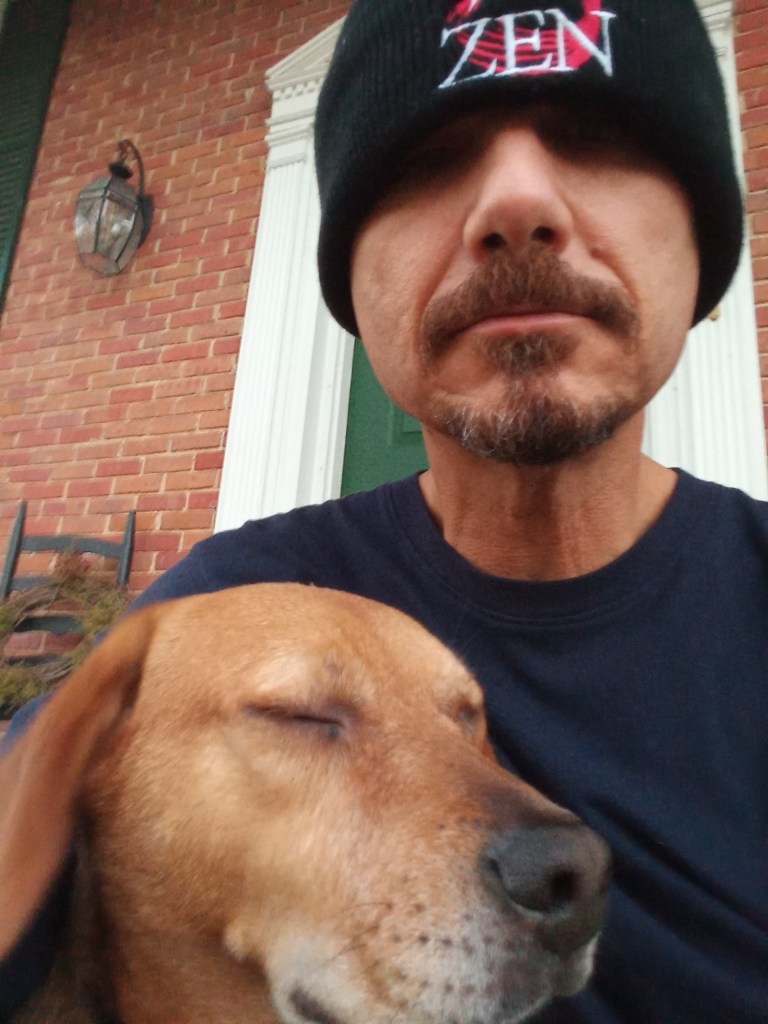
The old man and his dog

That’s right, the topic will be nothing specific. Rather this will be more of a steam of thought (nothing new there) about how I personally overcome obstacles and what led me to write this blog in the first place (in a broad sense). If you read that last line and are still reading… thank you. Hopefully, what follows can help someone.

Life can and usually is, filled with missed opportunities. Usually from fear of failure, the unknown, injury, embarrassment… But what is fear really? Fear is essentially a signal of danger, a threat, or motivational conflict. It manifests psychologically and physiologically (that’s mentally and physically). There is a lot of it out in the world today, much of it unnecessary. So I thought maybe we might touch on a microcosm of it this month.

I started writing this Blog (albeit under a different title and perspective) in 2010. There was no fear of doing so because it was just going to be a chronicle of a team I was playing with and I was going to have help. But as it evolved and Zen was born, there came doubts. And that was okay. It has turned into something that, based off feedback, has helped a few people out. In addition to that, it has helped me as an individual grow in a path I didn’t think was ever planned or possible for that matter. And that all happened because of how I approach my fears.

Fear only exists in our minds. We ultimately control it and it’s effects on us. I had no real idea what I was doing when I stepped into this world of blogging, coaching, and clinics. All I had was my experiences and ideas. Would they be good enough? Would I write something that was perceived as “stupid”? Would anyone care? Am I sure I want to put myself, my thoughts, and my ways out into public domain for consumption and scrutiny?

Of course those thoughts arose… but they didn’t stop me. I never really thought about it until now. But I understand it more now than ever.

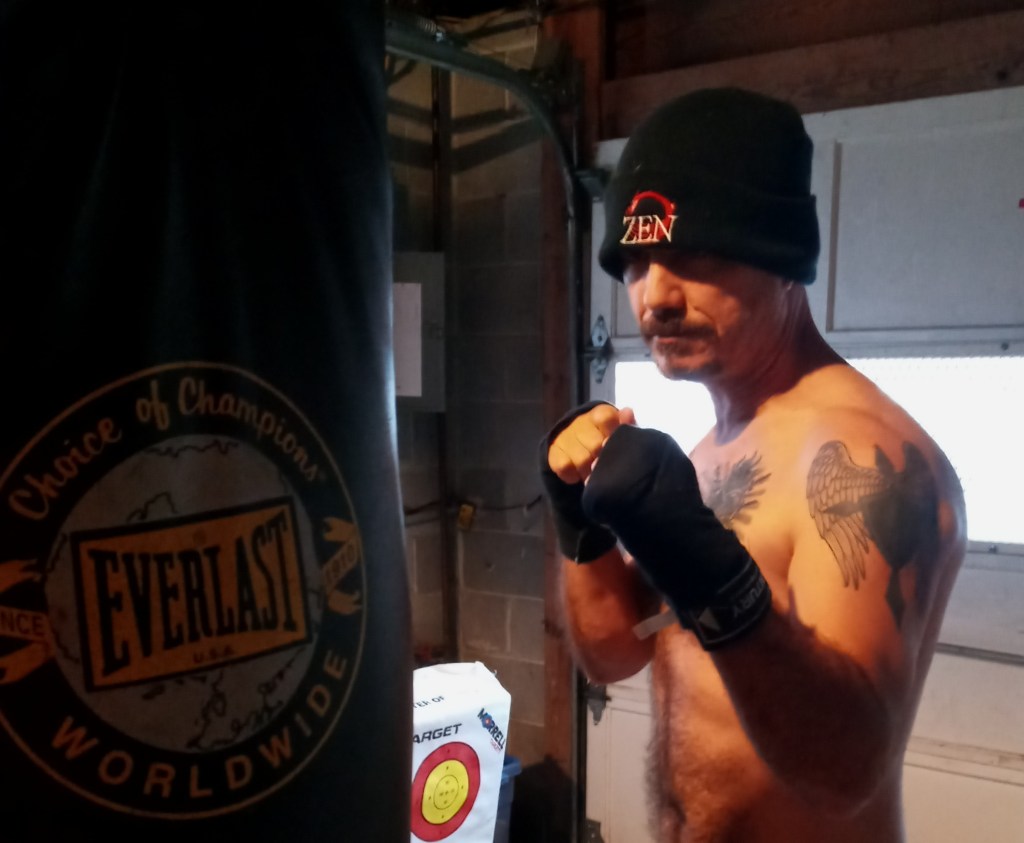
I think my background in the martial arts helped prepare me for the endeavor as it did for many things. My martial background taught me numerous things about fear, limitations, and more. As I trained (when I was younger), I overcame many fears and doubts. I got faster, stronger, more confident. Ultimately, it taught me that getting out of my comfort zone was where the greatest growth was found and accomplished. For the record, that fear was accompanied by lots of injury and pain. And if those components don’t teach you something, nothing will.

Becoming a fighter is not easy just like becoming a good paintball player isn’t. All the same principles apply in both worlds in order to meet success. Whether it is being physically fit, having a solid foundation in fundamentals, training, you name it, both require a lot of WORK. If you are adverse to hard work or like to take short cuts, you will not succeed and if you do succeed, you either have an incredible natural born and God given talent… or you cheated.

My work outs are a lot different than when I was younger. But don’t stop.

As my confidence grew when I was younger, so did my willingness to step out of my comfort zones. The willingness to learn, the willingness to understand differing thoughts and perspectives, all helped me recognize there are a myriad of ways to train and prepare. I was exposed to different styles, philosophies, and training methods. All strong in one way or the other but many with flaws too.

I also began to push my own limits. Where were they? Where is my envelope? This also opened my eyes to believe the only limit… is you/me.

The key to all of this, besides having an open mind, was adaptability. If you are so rigid, so set in your way that only your way will suffice, you’re missing out. If you want to stay with what you know and what is familiar, that’s fear rearing its head. It’s “safe”. Change can manifest growth… or, it could prove that maybe your way IS the right way… or it can IMPROVE your way… this is adaptability. And it is paramount to being a successful PB player (just like being a fighter).

Nobody is perfect. But should we settle for where we are? Do you strive to be the best you can be? Whether it is being a better PB player, accountant, Dad, friend, ditch digger… I’m constantly learning. As a matter of fact, I love watching lower divisional players. Why? Because you can learn from them too! And they ask great questions that we all need to be reminded of from time to time. Remember your fears and how you overcame them when first starting PB? When you meet a new player, do you empathize with them when they ask you a question? Do you recognize your opportunity to help them? Well… do ya?

Identifying opportunities in others


We shouldn’t be afraid to expose our weaknesses. Once we recognize them, accept them, we can work on them. And, if done correctly, turn them into strengths. But guess what that takes? Yep… hard work. Like all things in life, you have to commit. You want to fix something in your game? Put yourself in scenarios that will make you face your weaknesses or shore up your strengths so much they compensate. Trust me, when you are no longer afraid to make mistakes or deal with your weaknesses, you will improve.

Be water my friends

Boss Level

You may not believe this but I am an extraordinarily competitive person. However, I don’t show it very often. And when I do, it isn’t usually or immediately apparent. I internalize it mostly. But let me be clear… I’m not necessarily competing with someone opposite me. I’m competing against myself. How many of you are like that?

“But don’t you want to win?!” Yes, certainly… and with integrity thank you. But there is something else you need to know. I want you to read this very carefully and let it sink in…because it took me a long time to realize as well.

It’s not about winning for me. It’s about preparing my guys, helping them see the vision to playing a layout or a specific team, trusting one another, building each other up, creating strong character, confidence, and giving 100% at all times. And if done well (which is the GOAL), then winning is usually the result. Does that make sense? Winning IS A RESULT. Read that again and again and again until you understand. Yes, I will make mistakes in the preparation, the vision, trust, etc. (that’s what makes winners BTW…prep among other things).

We have a finite amount of time on this earth. I want to live it well and if I worried about what others thought of me all the time, especially in paintball, I would be miserable and damn sure wouldn’t be writing this blog. I don’t let “the noise of others’ opinions” drown out my own inner voice (I made that mistake once…okay…several times… but I have learned from it and moved on). That’s the part you don’t see or hear. If you did hear my “inner voice”, you might try and sell it to Hollywood as a horror film or the first 20 minutes of a Full Metal Jacket reboot.

It would be dishonest of me to say this concept isn’t sometimes pushed to the limit. That happened at the most recent NXL event near Philly. No, I am not speaking about the field conditions. Although, if you want a comment on that – we found them manageable – and we used the elements to our advantage on day 1 of play. We decided to play the field a little differently: we noticed one side had a better lane snake way which we leveraged dependent on what side we played. And we used the dust that was kicked up by opponents to let us know where they were… then changed things up on Day 2. But I digress.

No, this was more about the first match Sunday morning. Our Ocho match on Sunday morning at 8:40am versus the New England Hurricanes. We have met the other Canes 3 times in the past. First was in Chicago 2019 (prior to my arrival as coach) where we tied them 3-3. We met them again at World Cup 2020 on Day 1 besting them 5-0. And finally, this latest match in Philly where we beat them 10-5. Do the math on the last one since we play 15 minute matches… 60 second average per point. It was epic! Don’t let the score fool you. It was back and forth until the last 6 minutes. Now, internally, I wanted to DESTROY them. I wanted there to be no doubt about when these teams meet, we have the upper hand. I kept a calm demeanor, coached my guys, they executed, and we got the win. For the record, the “guys up north” are a great team and there is a lot of history there.

First match on Sunday. See my face?

Now… where am I going with this?

How many of you know what “extrinsic incentive” is? It’s a psychology term. “Extrinsic” simply means the motivation to act or behave a certain way is decided or rather created by external means as opposed to internal means. In other words, you act or behave a certain way because you will be rewarded for said behavior.

Competing is fun but make no mistake… I believe winning is more fun. I don’t like to lose but I have been on the receiving end of the latter outcome more than I can count. Someone has to lose. We have seen it throughout the history of organized competitions. From the first Olympic Games to today’s organized pro and collegiate sports. The NXL is no exception. But how come we keep seeing the same teams performing well almost every event? The top 10 professional teams in paintball haven’t changed much in the last 5 years, would you agree? Sure, there is the occasional outliers each event and the last 2 years have seen some shake ups… but why?

I promise to bring these two streams of thought together… the Hurricanes match and the top Pro’s consistency… hang in there. First, a quick detour that should lend to the journey:

Paintball players/teams don’t have to be high level athletes. They don’t have to have the best gas tank or the best snap or guns on the break. No, I have coached teams who had none of those things but still saw success. Why? Because they gave great effort. They gave their absolute best that day and at practice. They competed well when it was important. Remember? RESULT…

I’m not yelling. I am simply projecting so everyone can hear me.

Competing at the highest levels(Pro and Semi Pro) in our sport however requires much more than just hard work and preparation. The teams that always make it deep into Sunday will have done much more than just practiced hard.
They play every game as if it is the championship, as if they are up against their toughest opponent, every point. They are giving 101%. They put in the EXTRA work mentally and physically. But it is the mental game they win every time before every match.

See, not every player is always 100% mentally or physically. But the BEST, the ELITE, well… it doesn’t matter if they are or not. Why? Because even if they are only 75% physically, they are going to give all 100% of that 75% in that point, in that match. That’s the difference. No one can give 100% all the time. But they can give 100% of what they have when it matters.

How many of you before a game realize you aren’t 100% and just figure, whatever happens happens? You’re injured or feeling sick…your girlfriend is mad at you…whatever. Because of these things you subconsciously give up before you even step on the field. But what many of you don’t realize is that you don’t have to be 100% to beat your opponent. That’s right, you don’t have to be your best to win. You just need to play better than your opponent. So, to increase the likelihood of winning, you must learn to play your best with what you have. As I stated above, if you’re only at 75%, play at the full 75%. I think you will find that it will be enough to meet the goal. And if not, well, you shouldn’t have any regrets. You literally gave your best.

And that is how simple it is most of the time. Those who play best win. And that was my thought headed into the Hurricanes match. We chose a few things we were doing well at and stuck to them. We didn’t get complicated, we kept it simple. We capitalized on their chinks in their armor by leveraging our strengths. We went with what we did well, executed the game plan, and it prevailed.

Proud to be a Cane

Look, it is simple but it isn’t easy. You shouldn’t expect competing at the higher levels to be. Hell, that’s the whole point! Yes, there will be matches against teams in your division where you will ask yourself, why are they playing this division? But don’t let those matches fool you. Every match is against Heat, or Impact, or X Factor, or Russian Legion, or Dynasty (choose your top pro team). Every game is your tournament life on the line.

The point of sports is to challenge ourselves. It should be hard, it should be difficult. Tell me… if you destroy a team that you outclass in every way, how do you usually feel afterwards? Accomplished? Perhaps entitled? Doubtful (and if you do… you probably suck and that was the only match you won.)

Winning the mental game is a big deal. Before that match Sunday morning at 8:40am, myself and the team had already won in our minds. Because there are two games we play. The mental game and the actual match. If you haven’t won the former, you won’t stand a chance winning the latter. And that, my friends, is the key. Given equal capabilities and the same playing field, whoever wins the mental game will usually win the real game.

Remember, stay focused from the moment you wake up on game day to the moment you leave the field to go eat. Keep your mind and body in the game from start to finish and don’t let up. Give it your all and I think you will find it is usually enough. And when it isn’t? That’s okay… try harder next time.


Be water my friends

Class Is In

This month, I’m going to touch on a subject many of you will not agree with me on… and that’s okay. I often think it is because I’m older than most and come from a different time. I get that. But some of you need to hear it. Mike Hinman touched on this in his recent summary of the NXL semi pro division. Operative words being “touched on” as I certainly don’t want to speak for Mike. Although I have a sneaky suspicion he would get where I am coming from.

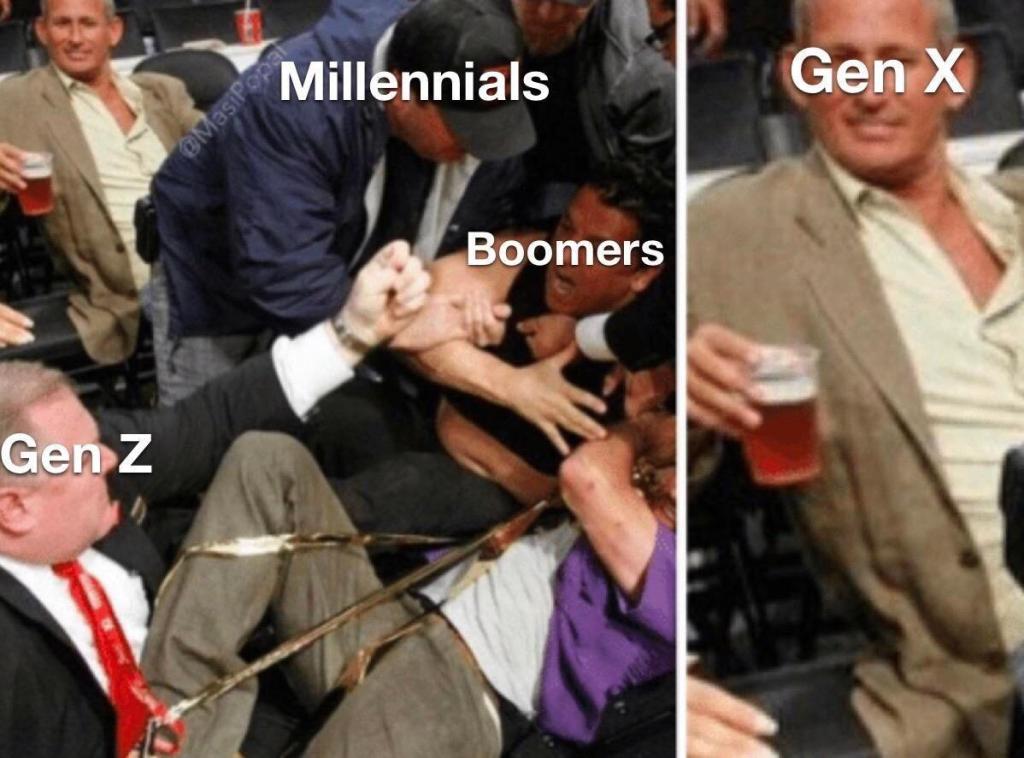
I can hear my friend Grayson Goff saying, “Okay Boomer” … Gen X btw 😉

Truth – it’s out there.

Let’s talk sportsmanship or what I like to call, having some class and WHY it’s important.
Sportsmanship or showing class is simply when competitors treat one another with respect and behave in an appropriate manner before, during, and after their competition. It could also be defined as being fair and ethical (that last word I fear has lost it’s meaning these days – go ask any journalist) to those you’re playing against (and with).

***Zen note*** this can and should apply to fans, supporters, parents, and coaches as well.

Let’s get something out of the way right now. Sportsmanship doesn’t mean taking it easy on the other team. Look, we play an aggressive sport. Hell, we “shoot” our opponents to eliminate them. It’s part of the game. There is a line though, as there is no need for disrespect or malicious intent. Me, personally, am from the camp of “Be nice… until it’s time not to be nice” or “Don’t start nothin’ and there won’t be nothin'”.

“Self-praise is for losers. Be a winner. Stand for something. Always have class, and be humble.” – John Madden

Have you ever noticed why so many people use sports as a metaphor for so many different things, especially life in general? Because the traits required to be successful in sports translate almost directly to being successful in anything we do. Think about it. Skill sets are honed with hard work, discipline, determination, sacrifice… all things you need to be successful in the “real world”. Whether you’re a ditch digger or a corporate executive, if you bring these traits to your job, you will not only perform well, you will be noticed and advance.

“A lot of young players don’t really know much about the history of the game and a lot of them are missing out on what the game is all about, especially the whole concept of sportsmanship and teamwork.” – Kareem Abdul-Jabbar

I’m sure you have all hear that, “Good things happen to good people”. I truly believe that and not just because of my Christian beliefs, upbringing, and environment. I’ve seen it. No, we won’t go down the rabbit hole of what signifies “good people”. How about starting with being a good sport, being kind and respectful to one another, having fun… that sort of thing? There is already plenty of ugly in the world.

On the way to shake hands and showing appreciation to family, friends, and fans.

Here’s where I use a word that some misunderstand all too often. Integrity. A classy player has integrity and shows respect. He is honest and treats those around him the way he wishes to be treated. He is about the team, unselfish, humble in victory, and understanding/honorable in defeat. This is what it means to be a man really.
All of this contributes to being a good human being. We used to have a saying, “Excellence through integrity”. It wasn’t easy being the “good guy” in paintball. It still isn’t. Trust me, I’ve almost cleared the benches a time or two but I always knew it wouldn’t solve anything. We had to be the bigger men… especially walking the walk and talking the talk we had chosen.

I’ve seen a man cry because he lost a paintball match. I’ve seen young men win only to disrespect their humbled opponent viciously. In both instances, the player(s) instead of appreciating the moment for what it was, they poisoned and cheapened it. See, being classy enhances the experience for both groups of competitors. The team that is defeated is shown respect by the victor. Both can learn from the experience and both can be examples for others. Those of you who weep and moan and those of you who gloat… you’re both weak and have learned only how to be weak. You’re sadists. You have enhanced nothing but an ego. The ego of a jack ass. And make no mistake, that’s how you are seen by the majority around you (or maybe you’re not, maybe I’m the minority – and I’m fine with that.)

Here are my simple rules for being classy. Be positive, be a good teammate, show respect, and play with integrity. The end.

“Sometimes I think sportsmanship is a little bit forgotten in place of the individual attention.” – Cal Ripken, Jr.

To the trash talkers out there – especially the ones who continue to do so after you and your team just got trounced – you’re a joke. But I get it. You’re probably the more talented player on your team and feel you need everyone to see it. Maybe if you spent all that energy helping make and mold your teammates into better players, your team wouldn’t be getting dismantled. Every team I have ever coached or played with, we let our game speak for us. You want your game to speak for you? Shut your mouth and get to work practicing. Or maybe you don’t contribute at all, you actually suck, are a practice all-star, and so you verbalize and vocalize to make up for the fact you are an inadequate dweeb. Doesn’t matter to me. You still suck no matter how loud you get.


You can yip and yaw all you want. Look at the score board knucklehead. That’s ALL that needs to be said.

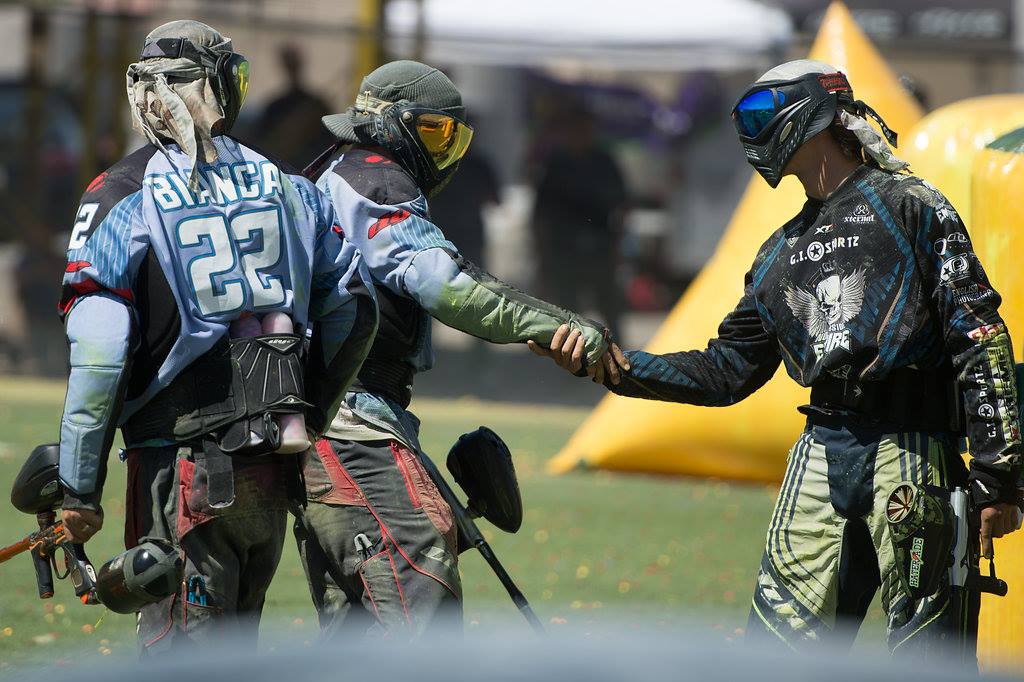
Shaking hands after a good match

Look, as with any sport, there is going to be a winner and a loser. Sometimes your team will be in the latter category. Be a man when it happens, shake your opponent’s hand after the game, give them a “good game” or “well done” and friggin’ move on. LEARN! If you are the winner, show some respect, and do the same.

“I follow three rules: Do the right thing, do the best you can, and always show people you care.” – Lou Holtz

An important measure of how to win or lose with class is to simply put things into perspective. It’s a game. Yes, we are all passionate about it but at the end of the day, you’re still breathing, you’re still alive, and will have the opportunity to improve and do it all over again. So relax.

We need to respect the refs too. Even when they make a bad call. I know, I know. Hear me out. Understand that, bad calls will happen and guess what? Sometimes those bad calls will go in your favor! Now, some self-critique here as I had an issue at the recent NXL with a head ref. Don’t get me wrong, I was respectful when he wasn’t. However, to his character, he recognized he was out of line, calmed down, apologized, and we had a good conversation afterwards. It was difficult for me to respect him at first, I will admit. He was aggressive and didn’t really supply good rationale for his call(s) or seem to have a complete understanding of the rule-book. I recognized almost immediately the calls weren’t going to be overturned, but I saw it as an opportunity to provide critique to HELP him for the next time. It was the end of the day, this guy was hot from high temps, tired, thirsty, hungry, and had been shot A LOT. Always recognize that and take it into perspective. Those guys aren’t paid enough and in a lot of cases not really trained enough.

“Show me a guy who’s afraid to look bad, and I’ll show you a guy you can beat every time.”- Lou Brock

Now might be a good time to have a bit of an ethics lesson (you all caught me in a mood). Real quick, let’s sum up ethics in paintball. So, there is sportsmanship and then there is gamesmanship. I have talked with many of you and there is a portion who most certainly fall in the category of employing gamesmanship as opposed to sportsmanship. Hey, we have all been guilty of it. There is a difference. Allow me to elaborate: You’re the guy/gal who believes that winning is everything. “You ain’t tryin’ if you ain’t cheatin!” “It’s only cheatin’ if you get caught!” “It’s the refs job to catch me!”. Get the idea? These are the same people who smack talk too when they are losing.

Consoling the opponent after a hard loss (this is not necessary, but I knew the guy)

In other words, you are more concerned about the outcome of the game rather than the manner in which it was won or lost. I believe the argument FOR gamesmanship is called “bracketed morality”. This is the concept that sports are NOT aligned with the real world and that morality or ethics should not apply. These are the people who would say that sports serve as a way to get out aggression, that it serves our primal instincts to win or conquer. Whereas I am not totally opposed to an aspect of this (getting out aggression) it is the level of commitment to this concept that needs to be checked. “He’s a beast on the field but a real gentleman off of it”. Okay… I’ll give you that. However, one who plays honorably and gives his opponent an honorable yet tough (and fair) game is the real “beast” in my book.

“Show class, have pride, and display character. If you do, winning takes care of itself.” – Bear Bryant

And that’s my point. A classy player or coach is focusing on things like honor and virtue and integrity. He trusts his teammates; he respects his opponent. This type of player or team is one that is not only interested in winning but doing so by giving their best effort and more than likely, will have more longevity. And probably more success as well.

If I had to define ethics in paintball, it would boil down to 3 things:

  • Integrity
  • Responsibility
  • Respect

Integrity in paintball would require players/coaches to take responsibility for their actions in all aspects on and off the field. When a team loses, the right thing to do is not point or blame but to recognize the aspects of the game that you can control and work on. What about your performance that day could you have done better?

Responsibility should mean that you have trained appropriately and are at the skill level (Ex: playing in the appropriate division) you need to be to compete and that you know the rules of the game. It should also encompass how you present yourself and represent your team (your behavior).

Respect is just that, respecting your teammates, your opponents, your coach, and the refs.


I’ll say it again, sports are meant to not only test our capabilities but ultimately to build character. The first one is important as it can teach us a lot about ourselves. The second is more important as it will mold us and hopefully, God willing, make us better people.


Be water my friends.

You Get What You “Pay” for…

If there is one thing I have learned over the years, paintball players, specifically tournament paintball players, are cheap.  Oh, not in the traditional sense mind you, no I mean in the unrealistic cynical nihilistic ridiculous sense.  They’re so cheap, they won’t pay attention.

“Welcome to Paintball Cheapskates Anonymous.  Would anyone like to start?” “I’ll go. I’d like to say I’m not a PB Cheapskate.  I’m just here for the free coffee.”

I had a couple of interesting conversations over the last few trips to the field. One conversation was about team practice, and the last about team dynamics.  Now, none of the fine gentlemen I was speaking with are cheap mind you; both are upstanding young men.  But the essence of our conversation boiled down to what I feel was a perception of value.

No, this will not discuss the current state of tournament ball.  Instead, let’s talk about the context of cost vs value from the sophomoric cheapskate perspective of your standard PBplayer (genus Cheapskatis Paintaballi).

Advice is usually free but not all of it is worth something

First and foremost, let’s start with something that perplexes me… those paintball teams that show up for practice and then spend the first hour or two on physical fitness/cardio training.  What a complete and utter waste. If you are training seriously for paintball on a competitive level, please stop wasting valuable field time on cardio training. It COSTS you time and the VALUE of it is diminished. 

Why?

Simple – you should be handling that aspect of your training on your own time and not at the expense of limited field time training as a team.  Much like a race car, you should be “tuned up” to perform at your highest capability.  Race car drivers do not tune the car during the race.  No, the car is tuned and tweaked prior and the driver expects/knows it will perform as long as they do their job.  Team practice should be saved and allotted for working on team dynamics, highlighting strengths, and exposing weaknesses.  Not individual gas tanks.  If you show up at one of my practices having not put in the time to address the physical requirements of this game, I will recognize it, I will call you on it, and I will expect you to remedy it on YOUR OWN TIME.  Don’t waste my or your teammates time on the field coming up short.  It’s disrespectful.  Bring yourself straight so we can all focus on the important stuff. 

This does NOT pertain to “warm ups” – running a couple of laps and stretching is valuable as it is meant to avoid injury.  Hopefully I don’t have to explain the difference.

Okay – that’s out of the way – let’s get into it.

Not cheap but worth every penny.

There are many people who think that cost and value are the same thing.  They are not.

Let’s define.

  • Cost is the total amount spent on “the inputs” to create something such as labor, capital, materials, etc.  Simply put, it’s anything that adds to the producers’ expense to create the “something”.
  • Value is more difficult to measure.  It would be the benefit derived by the purchaser or user of the “something”. In other words, it is a perception by the customer. 

We should probably go ahead and define one other aspect of this equation as it pertains to our discussion, price:

  • Price is the amount charged by the producer/seller, in exchange for their “something”, which includes their cost and profit.

That’s about as simplistic as we can put it.  You economists out there, feel free to correct me. Not all of these definitions will come into play in this blog.  You’re welcome.  Now go read a book.

And this is where we get into the meat of the subject… recognizing value.

Having equipment that works and performs is incredibly valuable

As bona fide and proven cheapos, paintballers need to find value in efficiency.

I just physically felt all of your collective eyes roll…

Just listen for a minute.

Jumping to the first of the conversations I mentioned; a young man I’ve known a bit was out there with his team.  He was recounting me with his struggles to keep things moving in a positive direction.  Now, he spoke about motivation which, if you want my thoughts on keeping a team motivated, read these:

https://zenandtheartofpaintball.com/2018/09/17/whos-with-me/

https://zenandtheartofpaintball.com/2018/02/12/cerebral-zeal/

https://zenandtheartofpaintball.com/2017/04/21/only-you-can-prevent-forest-fires/

But his main concern was the financial aspects of competing nationally.

I once did a high-level breakdown of costs for divisional x-ball teams competing in the NXL. (I think I did this in 2017 for two friends who were working with Tom Cole at the time to understand the hurdles of divisional teams).  Based off prices back then, I took an average of several factors:

  • Entry fee
  • Paint cost for 2 two-day layout practices
  • Travel cost for team of 7 (based off 2017 Bureau of Transportation Statistics to the 5 event cities)
  • Lodging costs (based off an average 3 night stay minimum of 2 rooms)
  • Paint cost through prelims (4 matches with low, medium, and high consumption then averaged)

What I came up with for a Division 2 or Semi Pro team competing in a single NXL event was approximately $9,300-12,800.  For Division 3 and 4 those numbers weren’t much different landing between $9,000-$12,500 (almost identical really).  Remember, this is X-ball, not 5 man or race 2 and based off a team of 7…

That comes out to anywhere between $45k to $64k for a divisional team to compete in an entire season.  At least, it did back then.  I’m not saying these numbers are too antiquated to no longer be accurate but there are certainly ways to save.

All that to say is, what value would his team get out of the National circuit?  Not everyone can afford this type of financial commitment.  So, what did they hope to gain from the expense?  Could they compete and find VALUE in the more affordable regional events that offer similar experiences for a reduced PRICE?  Is it worth the team’s COST to prepare?

These are all questions teams must ask themselves.  Whenever this discussion is brought up, it sometimes enters the realm of Prizes (for the crackhead paintballers, not to be confused with the cheap paintballers).  This is a completely different conversation.  I will sum that up real quick: If you value a tournament because of the prizes, you’re a goob.  The chances of winning a paintball event are low… what happens if the prize packages do meet your requirement, you compete, and lose?  What value did you achieve/gain again? It was worth spending all that money because of the opportunity of potentially getting your investment back… Brilliant!

Moving on…

Finally, the other conversation was about a captains’ specific concern about one of his players.  The player in question was a very talented player, a force multiplier on the field.  But he was also a proven jackass… his personality was what I like to call “toxic”. The negative Nancy in question felt he knew everything, pointed fingers at other players for his own failures, and just plain rubbed people the wrong way.  Now, without going into the psychology of why that player is acting that way, and the psychology of how teammates should handle a debbie downer, let’s look at it from a COST vs VALUE perspective.

He’s not worth it.  The end.

Now – as recognizable cheap-o-matic machines, let me finish this month off with a really basic and simple principle all the el cheapo bargain basement pbplayer’s should embrace…

Low paint drills.

Take that bag or two of paint you have left over from a practice or rec day or what have you, take care of it (keep it in a dry, temp controlled area, and rotate/roll it around it every other day) and leverage this common asset to your advantage.  Any drill you run can be a low paint drill.  Whether it is snap shooting (one ball check in slowly emphasizing accuracy and body positioning in bunker), laning (first ball accuracy off the box on a static target), run and gun, (one ball, no ramping, changing speeds, while moving targeting a static target), gun transitioning on target, etc.  The list goes on!

All of this can maintain muscle memory, even if you are a dime-store cut rate player.

Is it making sense now?  Those who want it will do it.  Those who don’t will make an excuse.

Be water my friends

Resolutions – (Paintball Style)

2020 is officially behind us. For some, last year wasn’t that bad… for others it will be forever embedded in their hearts and not necessarily in a good way. If it taught you anything, I hope it was to look out for your friends and family.

Hopefully 2021 will hold more promise for all of us. I, for one, cannot tell anyone how to make that happen… but I may have some small insight from a paintball team perspective. But first, a quick story…

This past world cup, a friend of mine called. He was playing with a new team for Cup and they had voted him to be the “player/coach.” He was looking for advice. He realized it was last minute and I could tell he was reserved about even calling. I empathized because, well, I had been there. So I told him two specific things:

  • Don’t be afraid to make a mistake
  • Own it when you do
Big Show time

He did well, taking a throw together team to Sunday. I gave him that advice because I wanted him to understand that if he did make a mistake, it wasn’t the end of the world, and two, if he did, suck it up and move on. See, he was going to make mistakes… But he was gaining real world experience. He was learning. When we make mistakes, yes, there is failure but hopefully we are trying new things, learning, living, pushing ourselves, changing, growing. We’re stepping out of that comfort zone and experiencing things that will hopefully make us better and ultimately teach us who we are.

And just like that we are entering a new year, a new season, with all the experiences of the previous year. How many of you learned from your mistakes? How many of you will actively participate in making your experiences better? Like I said recently, the new year stands before us, like a chapter in a book, waiting to be written. What will yours say?

Here are Zen’s top 10 pieces of advice for writing this years’ “Book” (in no particular order):

  1. If you are going to learn the “hard-way” then actually learn. Don’t rationalize or make excuses. Recognize the lesson that was taught. If you or your team make a jump in divisions and get your rumps handed to you, what did you learn? No, it wasn’t the refs are “stricter” at that level, the other teams are better at cheating, or any other plethora of excuses some will use to explain away their failure. Don’t be ashamed of your division! Go win in it. If you truly are better than your APPA shows, then prove it by dominating the division and progress accordingly. There is no shame in this and it is the right way to go.

“It is what we know already that often prevents us from learning.” –Claude Bernard

  1. There is always going to be someone better than you. Whether it is snap shooting, run n gun, laning, speed, making reads, reaction time, coaching… they exist and you will meet them on the field. And it may just be that one time in that one match at that one event. But it will happen.
    And you need to get over it.
    I promise, if you believe you are special and the next Ollie Lang or Dynasty, your ego is in for a rude awakening. You will be humbled and many people will enjoy it when it happens, especially if you are a braggart. However, to those of you who genuinely wish to be good and are aspiring for that level of performance (those who let their game speak, not their mouth), know that almost every skill set I mentioned can be improved upon. You are in control of how far you take it, how far it goes.

“Any fool can know. The point is to understand.” –Albert Einstein

It wasn’t easy. If it was, everyone would do it
  1. There is a lot more to being successful in paintball than just practicing hard. Working hard is not enough. You need to work smart too. If you want to be recognized then you need to be more than good or competent. You need to noticeably excel. This means you need to work harder and smarter than everyone else around you. A solid work ethic and brains? That’s the ticket. They shouldn’t be mutually exclusive because if they are, that is what will be noticeable.

4. Paintball is expensive and not just financially. It takes a commodity that many take for granted and don’t always understand its worth. It takes time. So if you’re looking to be competitive on the national level but you don’t have the money or the time, then you are better off not playing paintball. Just kickin’ it for fun? By all means, it is a great occasional recreational sport. But to be competitive, you better have the time and the money. If not, you don’t have an understanding of what all is required to succeed at that level and in that environment.

5. Create good habits. Winning is a habit. What that means is, you have to have developed the appropriate habits that LEAD to winning. Good habits will lead to good things just as bad habits will lead to bad things. Choose wisely because habits will make or break you. Work the drills everyone hates, run that extra mile, do that extra push up, get their early every time… develop a habit of doing the right thing and I promise you will see progress quicker than those who don’t.

“A wise man can learn more from a foolish question than a fool can learn from a wise answer.” – Bruce Lee

  1. Don’t be afraid to ask questions. The dumbest question is the one NOT asked. This is part of learning. Be curious, take in how others approach the game. Watch what they do, how they do it, and ask why they do it. But be wary. If it doesn’t sound right, it probably isn’t. You will be surprised at the amount of people who are willing to help. And just as dumbfounded by those who think they can.

7. You are owed NOTHING. This is a pet peeve of mine. When I encounter those who have the attitude that they deserve something for nothing, it is difficult for me to not call them out. If you step on my field, you will earn everything. I have learned that people that get things easily or that receive things they don’t deserve are usually lousy human beings or rather, good examples of how not to be. Don’t be the one who feels you are owed or entitled to something others put in hard work for. If you are one of these people who gets their feelings hurt easily or puts how you “feel” in front of betterment, keep walking. I have no time for you panzies.

You can be competitors on the field and friends off of it

8. Know where you stand. Whether it is with your teammates, your coach, heck, any relationship, understand where you land in the scheme of things. Avoid unnecessary drama and if you can’t, snuff it out quickly and decisively. Lose that stuff fast. Understanding your place in an organization is important. It won’t always be what you want it to be. Hey, maybe it’s you.

“By three methods we may learn wisdom: First, by reflection, which is noblest; Second, by imitation, which is easiest; and third by experience, which is the bitterest.” –Confucius

9. You are replaceable. So make yourself irreplaceable. Bring something worth having. Better yet, bring several things that are not only worth having but needed. When you are a teammate before an individual, when you bring positivity tempered with logic and data, when you build after taking apart, when you are the example, the rest will fall into place. Your actions and effort should speak volumes. Be loud in action.

10. Be physically fit. The sport has evolved and requires a semblance of athletic ability so make it happen. Plus, good physical fitness lends itself to good mental capabilities. Both your mind and your body should be in peak condition (and not just for our sport). They shouldn’t be separate entities. Physical fitness is the foundation for mental fitness. If you have the gas tank, then you can keep the mental clarity and make good in-game decisions.

“That which we persist in doing becomes easier for us to do; not that the nature of the thing itself is changed, but that our power to do is increased.” –Ralph Waldo Emerson

Genuine

I will leave you with this one final thought. You probably know who your supporters are, the ones who believe in you and who want the best for you… the genuine ones. But you may not always know who your detractors are (go back and read #8). Remember, the better you get and the further you progress, there will be those who want you to fail. Success will create new challenges, new opportunities, and yes, even new enemies. Don’t give them room to stay at the “inn”. Not everyone loves a winner. Let them sit in their envious hate and rot.

In other words, be hard to kill both on the field (literally) and off of it (metaphorically).

Here’s to 2021!

Be water my friends.